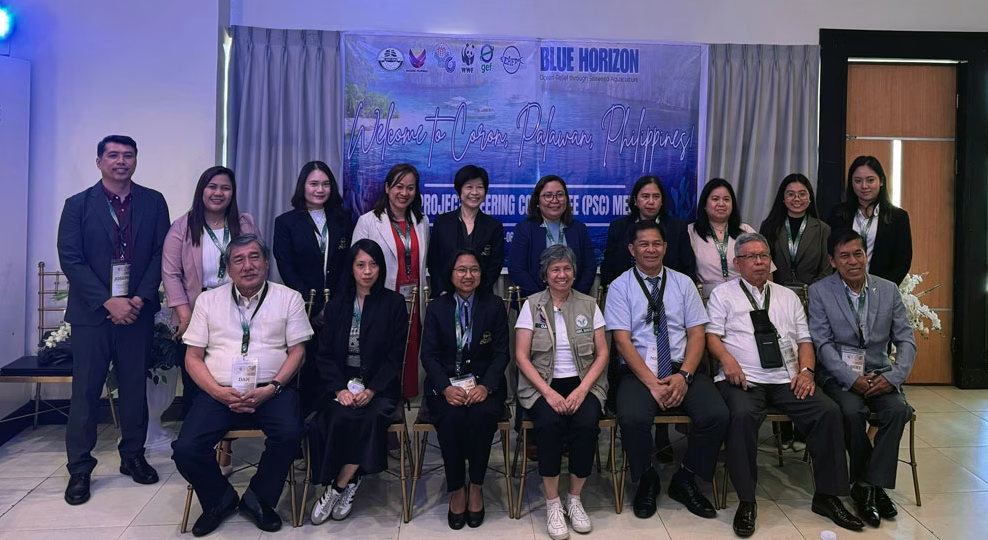
The 2nd Project Steering Committee Meeting Convene in Palawan to Accelerate Sustainable Seaweed Industry in Southeast Asia
Posted March 6, 2026
The SEAFDEC Project Management Unit (PMU), in collaboration with the Bureau of Fisheries and Aquatic Resources of the Philippines (BFAR), hosted the 2 nd Meeting of the Project Steering Committee (2-PSC) of the Blue Horizon: Ocean Relief through Seaweed Aquaculture Project, in Palawan, the Philippines.
The 2nd Project Steering Committee Meeting Convene in Palawan to Accelerate Sustainable Seaweed Industry in Southeast Asia
Posted March 6, 2026
The SEAFDEC Project Management Unit (PMU), in collaboration with the Bureau of Fisheries and Aquatic Resources of the Philippines (BFAR), hosted the 2 nd Meeting of the Project Steering Committee (2-PSC) of the Blue Horizon: Ocean Relief through Seaweed Aquaculture Project, in Palawan, the Philippines.
The SEAFDEC Project Management Unit (PMU), in collaboration with the Bureau of Fisheries and Aquatic Resources of the Philippines (BFAR), hosted the 2 nd Meeting of the Project Steering Committee (2-PSC) of the Blue Horizon: Ocean Relief through Seaweed Aquaculture Project, in Palawan, the Philippines. The 2-PSC was attended by PSC members comprise high-level representatives from fisheries agencies and environment agencies, namely the Department of Agriculture of the Philippines, Department of Environment and Natural Resources of the Philippines, SIAP, and SEAFDEC, while the representatives from the Ministry of Agriculture and Environment Viet Nam, Department of Fisheries and Surveillance Viet Nam, joined online. The 2-PSC was also attended by observers from BFAR, SEAFDEC Secretariat, SEAFDEC/AQD, and WWF.
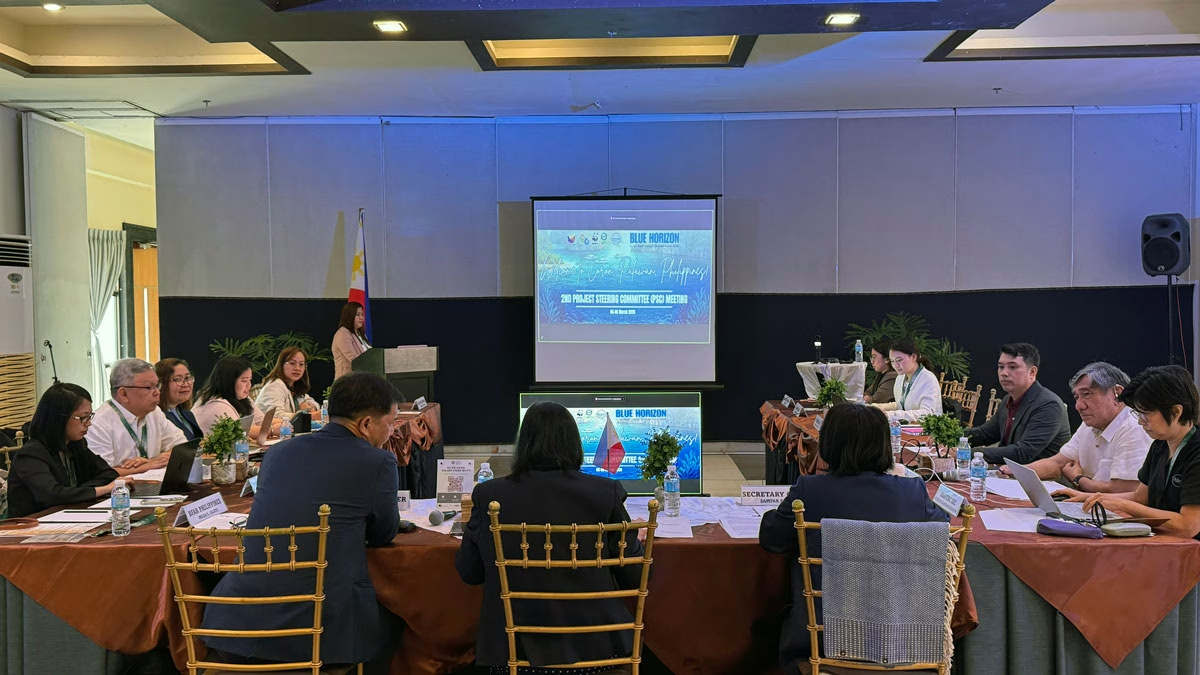
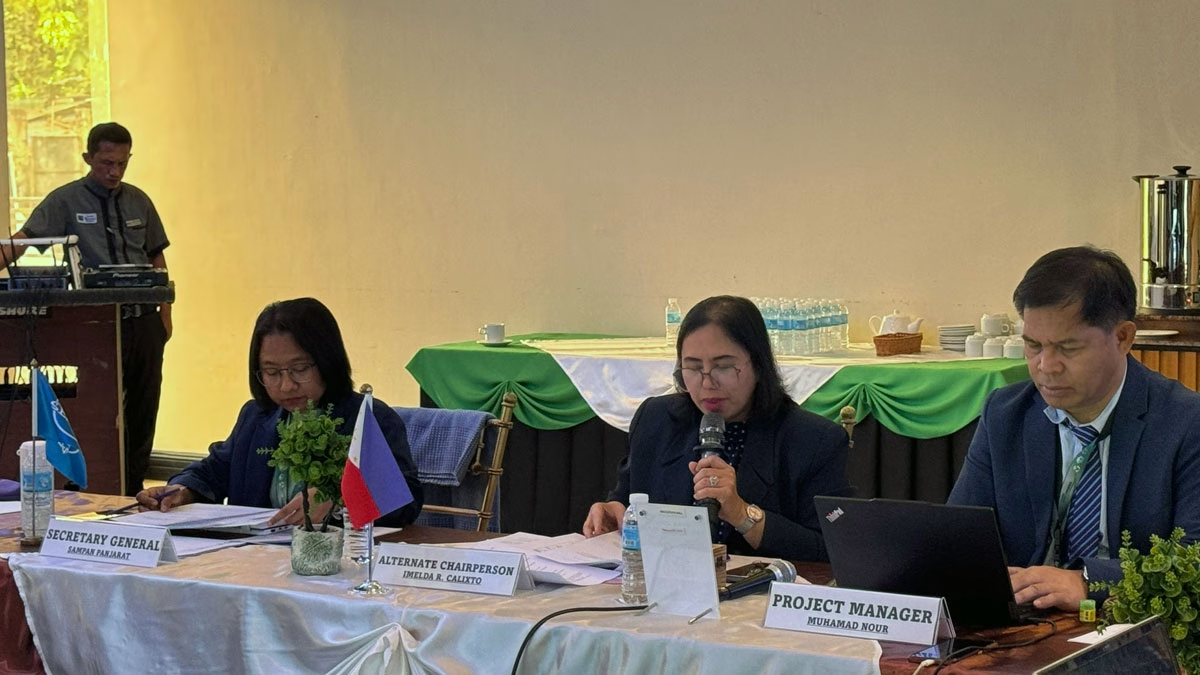
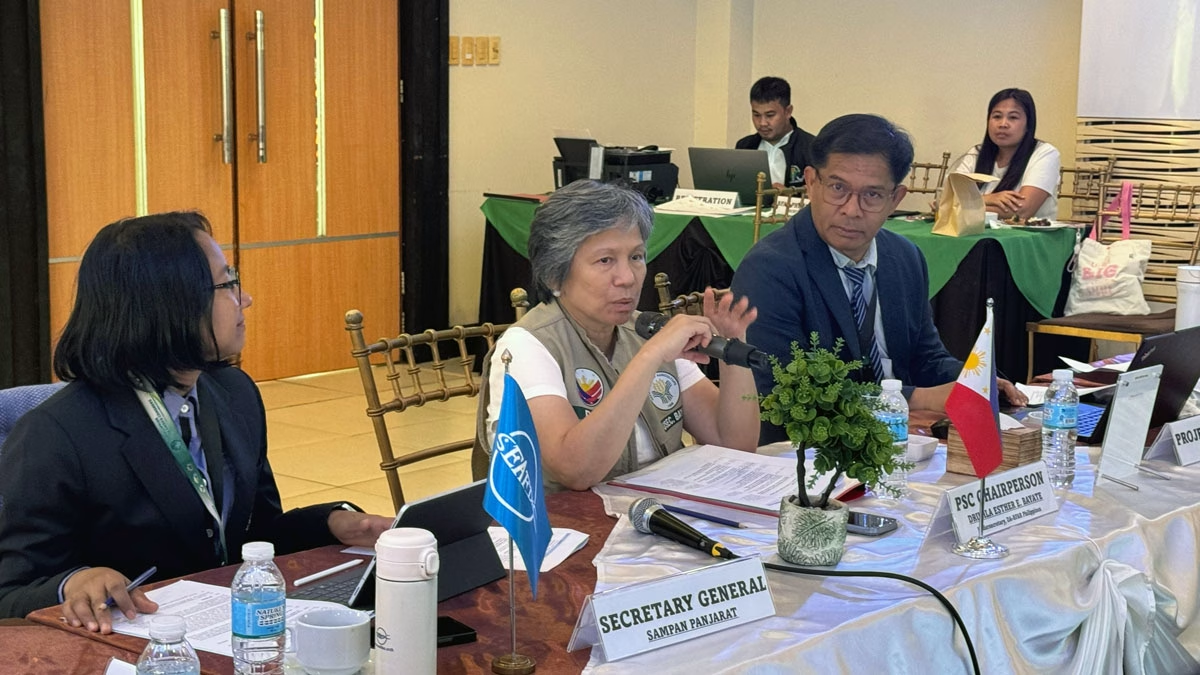
The meeting was officially opened with remarks by Ms. Drusila Esther E. Bayate, Undersecretary for Fisheries of the Department of Agriculture, who chaired the meeting and highlighted the importance of advancing sustainable seaweed aquaculture in Southeast Asia. She emphasized strengthening seaweed value chains to support fisherfolk livelihoods while protecting marine ecosystems through strong regional collaboration. The meeting was further honored by opening remarks from SEAFDEC Secretary-General, Ms. Sampan Panjarat, who underscored the importance of strengthening regional collaboration among WWF-US, SEAFDEC, BFAR, and Viet Nam partners to ensure effective project implementation and support coastal livelihoods and marine ecosystems.
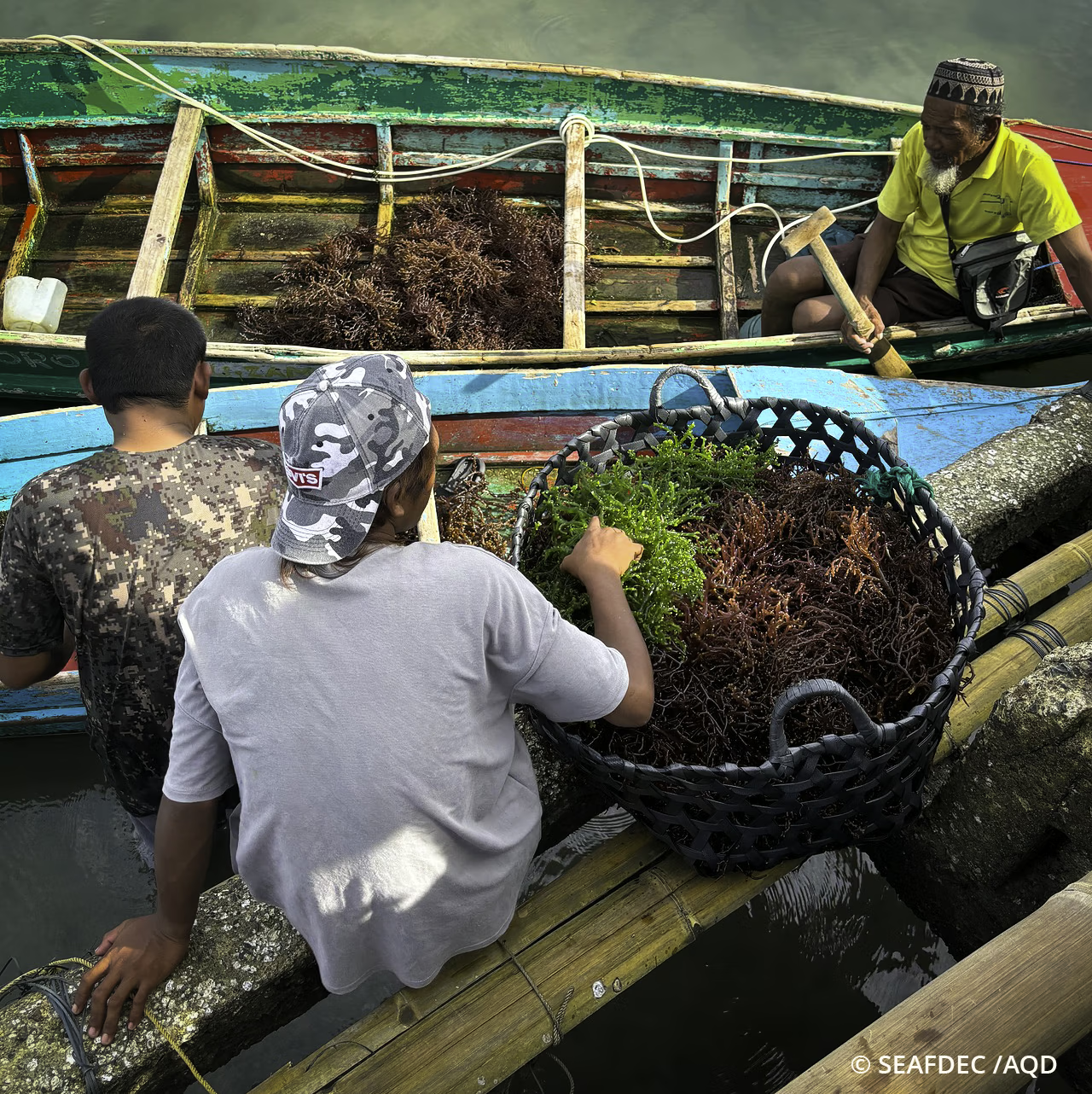
The 2-PSC meeting is aimed at assessing progress and planning the next steps for the implementation. The PSC members reviewed the achievements since the 1-PSC, addressed implementation risks, and approved upcoming annual work plans and budgets, key steps to keep the multi-country project on track through 2028. Discussions also spotlighted gender mainstreaming, stakeholder engagement, and improved monitoring and evaluation frameworks, ensuring that benefits reach coastal communities equitably. The PSC Meeting is also aiming at strengthening coordination among regional and national project teams while ensuring compliance with global reporting standards required by GEF funding mechanisms.
The Project is funded by the Global Environment Facility (GEF) and implemented by WWF-US. The regional initiative, led by SEAFDEC, together with national partners in the Philippines and Viet Nam, aims to transform seaweed value chains into drivers of ecosystem restoration and inclusive economic growth. Its four interconnected components aim to:
- Strengthen regional capacity for sustainable seaweed value chains
- Improve enabling policies in the Philippines and Viet Nam
- Support production, processing, and market development
- Enhance monitoring, knowledge sharing, and regional learning systems