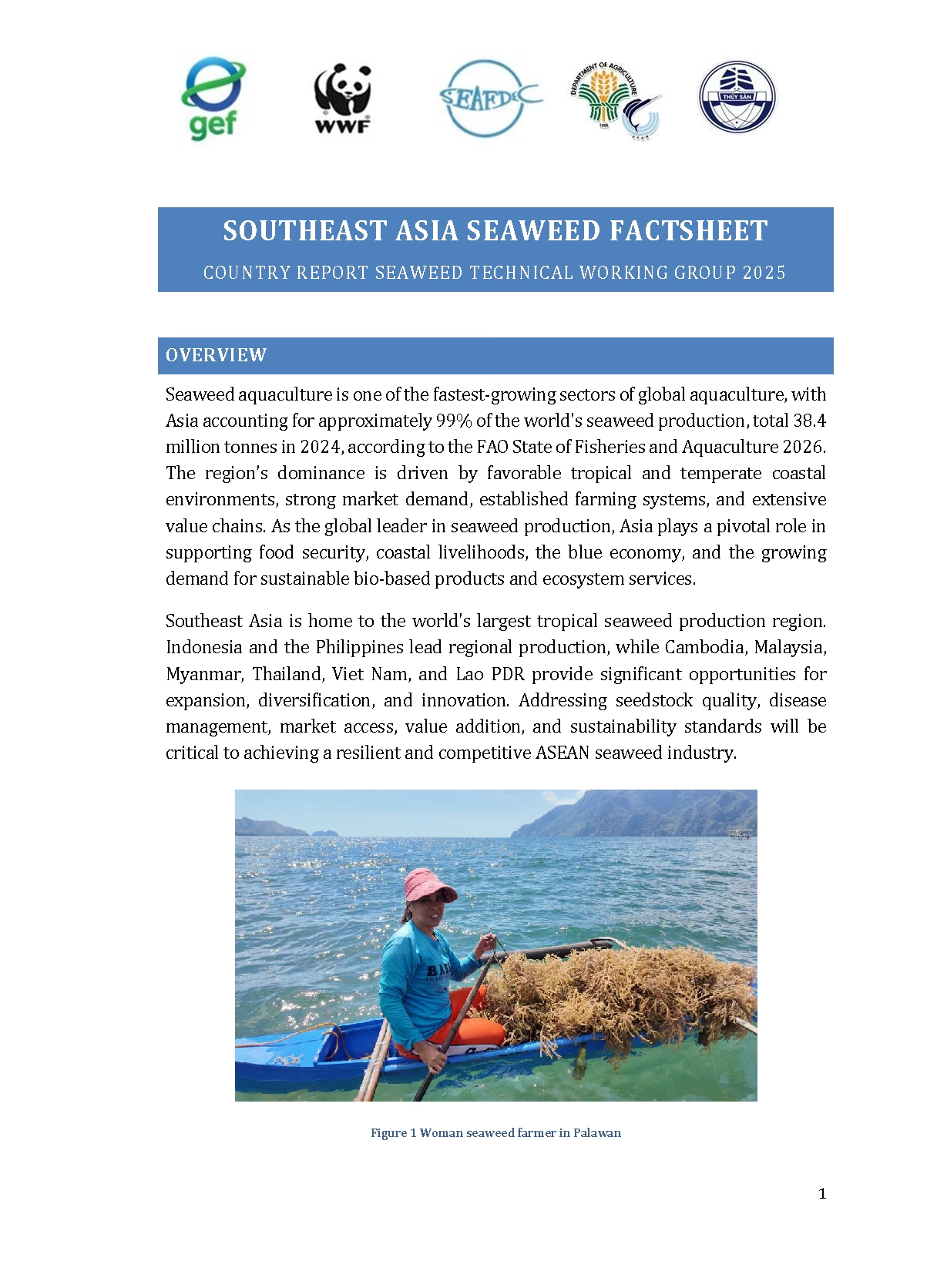
Southeast Asia is the world’s leading tropical seaweed-producing region, with Indonesia and the Philippines as major contributors. Seaweed farming is a critical source of income for coastal communities, supporting livelihoods, food security, and growing global demand for sustainable, nature-based products.
Beyond its economic importance, seaweed plays a crucial role in marine ecosystems. It helps absorb carbon, improves water quality, and provides habitat for marine life making it an important natural solution for climate mitigation and ocean health.
Despite its potential, the industry faces challenges such as climate change, disease, seedstock decline, and market instability. Enhancing resilience requires improved farming practices, stronger technical support, and regional collaboration.
With the right investments and cooperation, Southeast Asia can lead the way in sustainable seaweed production delivering both economic growth and healthier marine ecosystems.
The Blue Horizon Seaweed Aquaculture is funded by Global Environment Facility (GEF) through WWF US as GEF Agency, executed by SEAFDEC PMU, BFAR – Bureau of Fisheries and Aquatic Resources of the Philippines, and DFiS – Department of Fisheries and Surveillance Viet Nam.
Southeast Asia Seaweed Factsheet
Country Report Seaweed Technical Working Group 2025