SEAFDEC’s Blue Horizon Project: Visit to the Queen Sirikit Marine Farm Study Centre Petchaburi, Thailand
Posted May 8, 2026
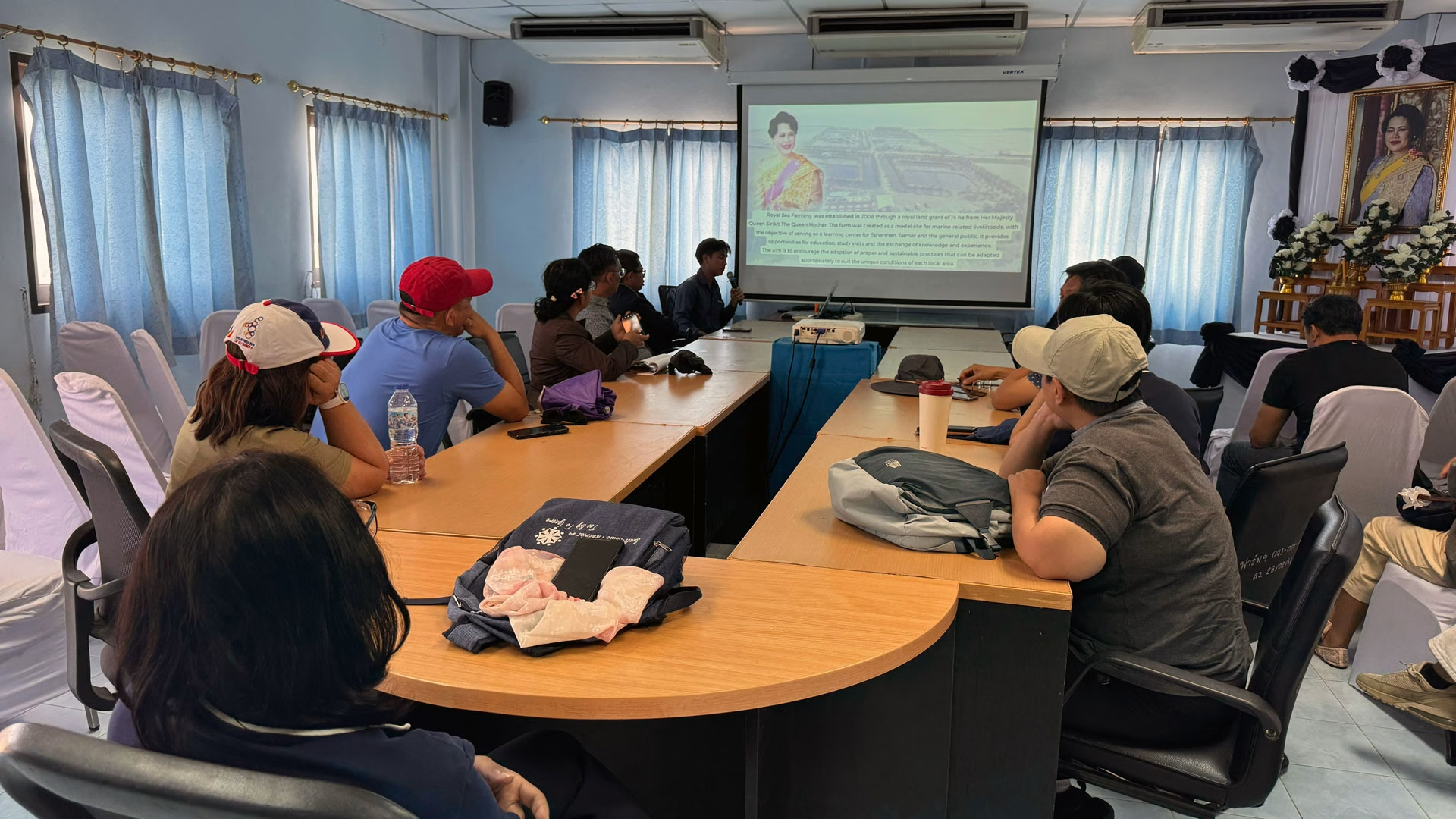
To strengthen the development of the Regional Guide for a Sustainable Seaweed Industry and the Regional Principles for Responsible and Safe Seaweed Aquaculture, SEAFDEC facilitated a field visit to the Queen Sirikit Marine Farm Study Centre, bringing together representatives from ASEAN Member States, the SEAFDEC Aquaculture Department, and Prof. Phaik Eem Lim from the Global Seaweed Coalition.
SEAFDEC’s Blue Horizon Project: Visit to the Queen Sirikit Marine Farm Study Centre Petchaburi, Thailand
Posted May 8, 2026
To strengthen the development of the Regional Guide for a Sustainable Seaweed Industry and the Regional Principles for Responsible and Safe Seaweed Aquaculture, SEAFDEC facilitated a field visit to the Queen Sirikit Marine Farm Study Centre, bringing together representatives from ASEAN Member States, the SEAFDEC Aquaculture Department, and Prof. Phaik Eem Lim from the Global Seaweed Coalition.
To strengthen the development of the Regional Guide for a Sustainable Seaweed Industry and the Regional Principles for Responsible and Safe Seaweed Aquaculture, SEAFDEC facilitated a field visit to the Queen Sirikit Marine Farm Study Centre, bringing together representatives from ASEAN Member States, the SEAFDEC Aquaculture Department, and Prof. Phaik Eem Lim from the Global Seaweed Coalition.
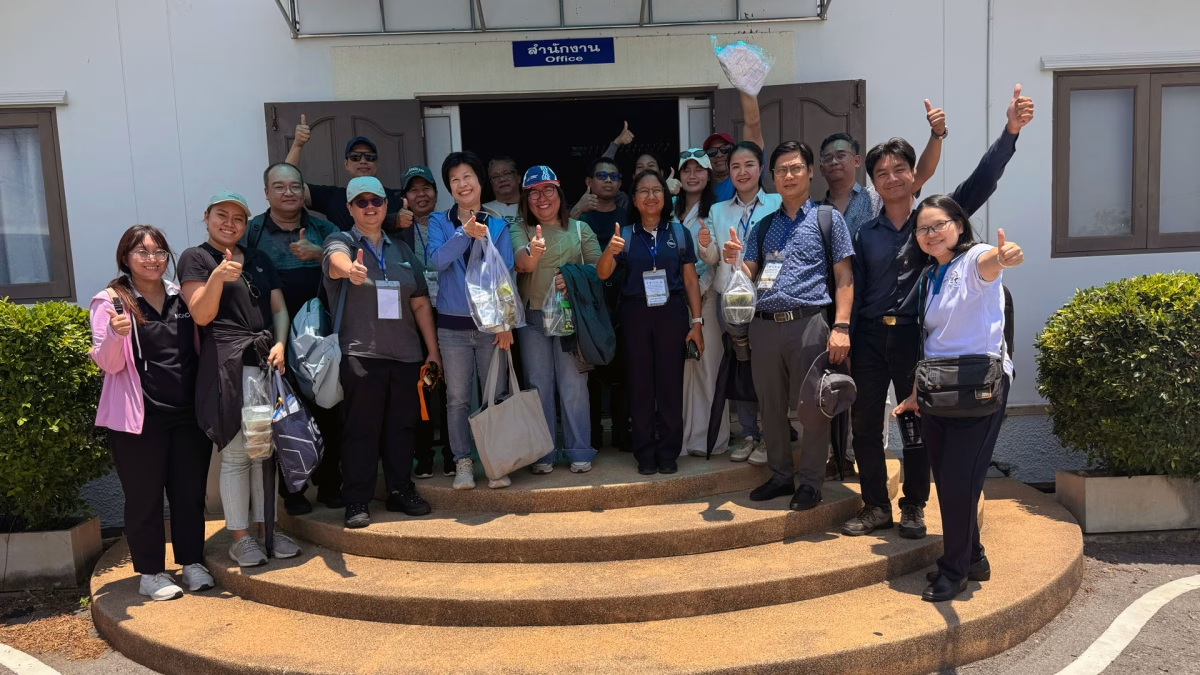
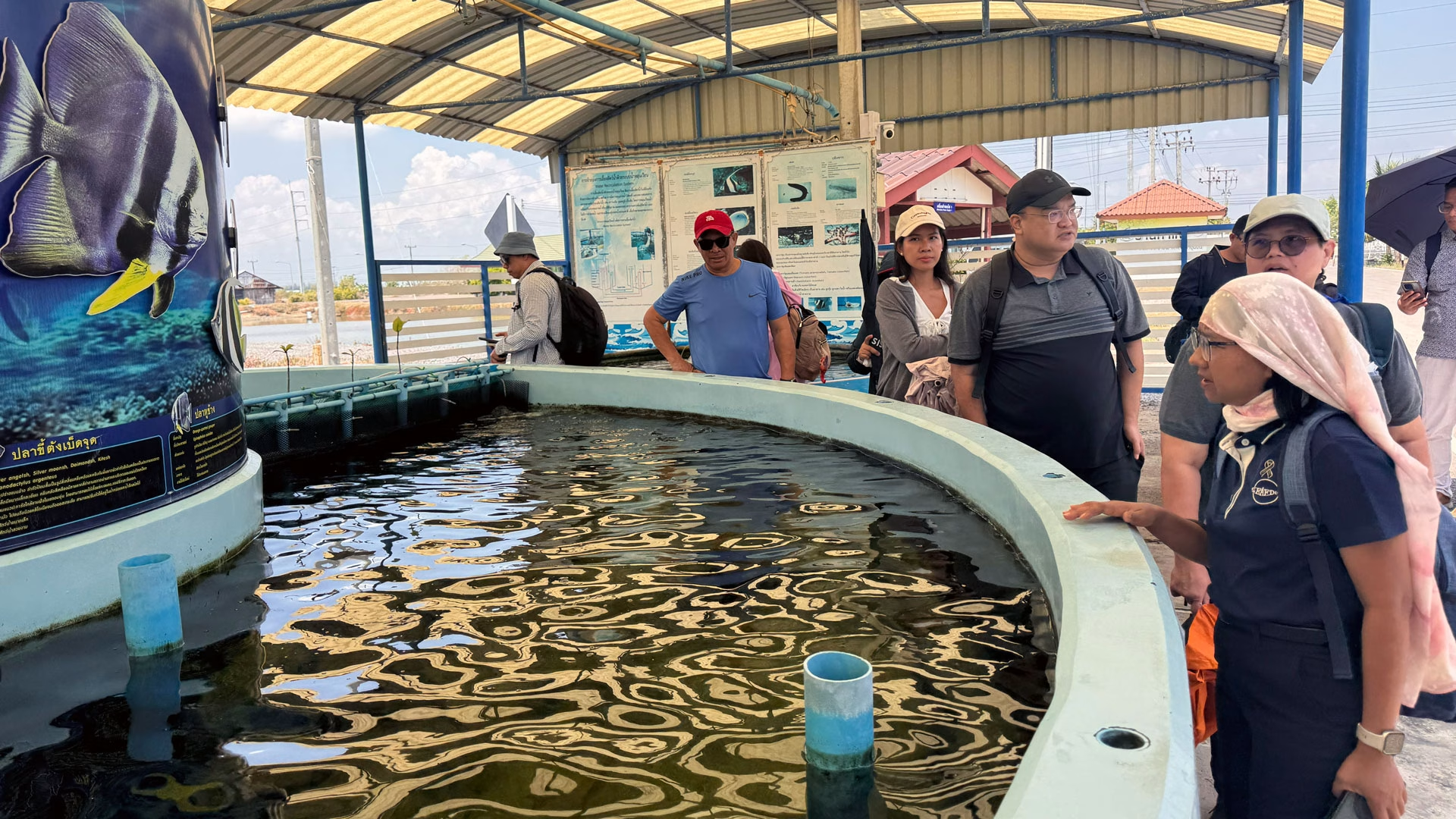
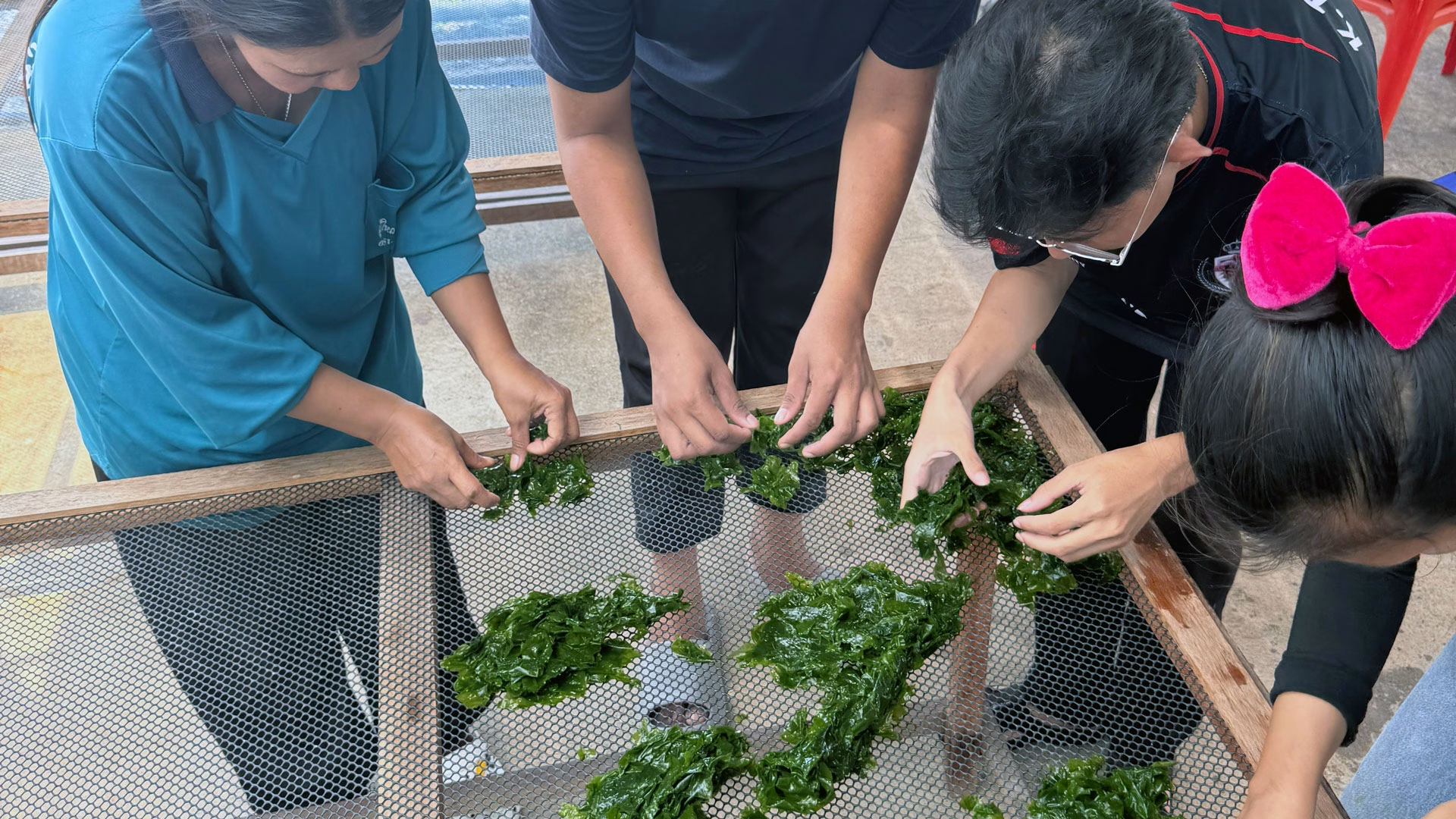
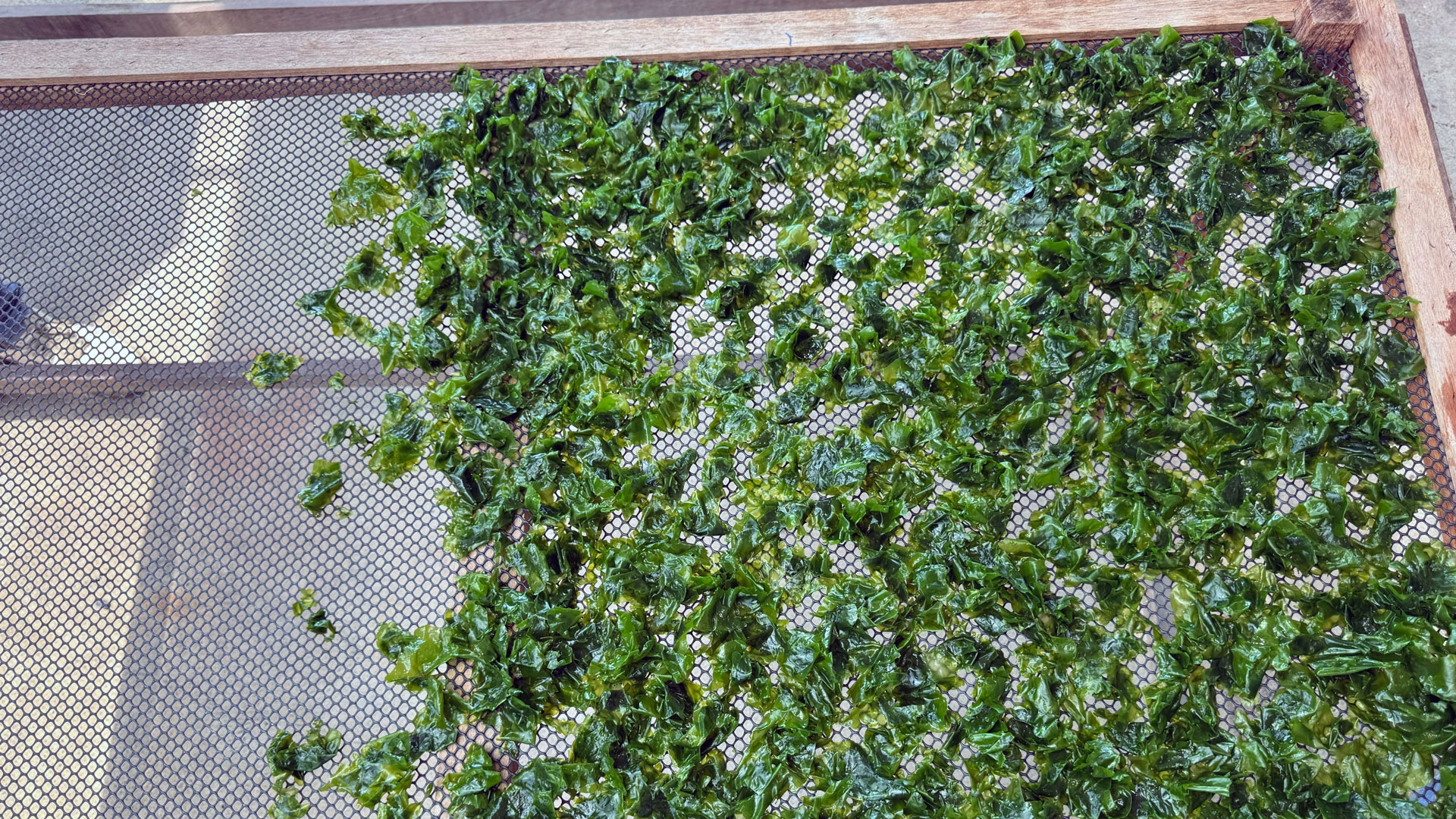
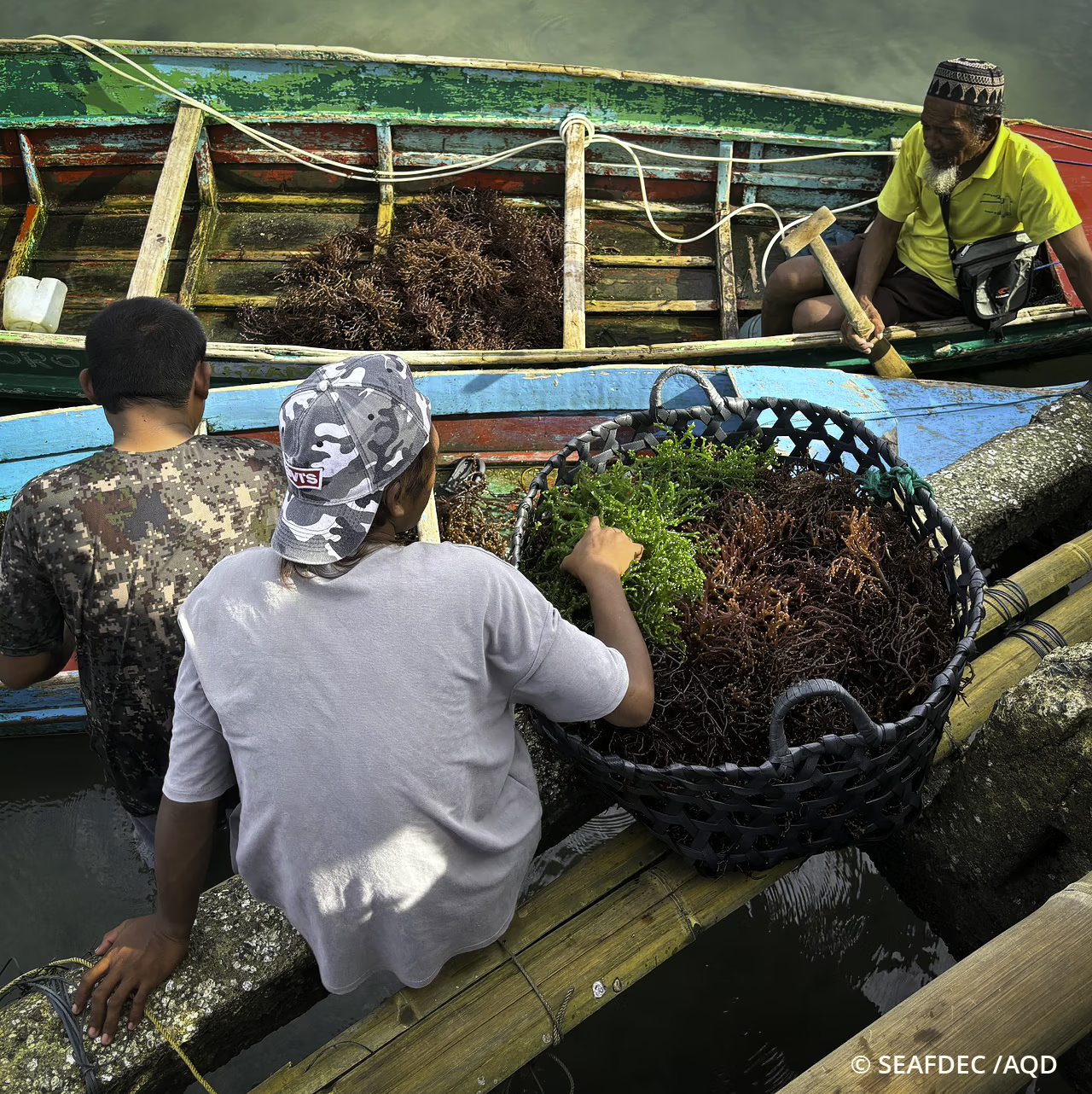
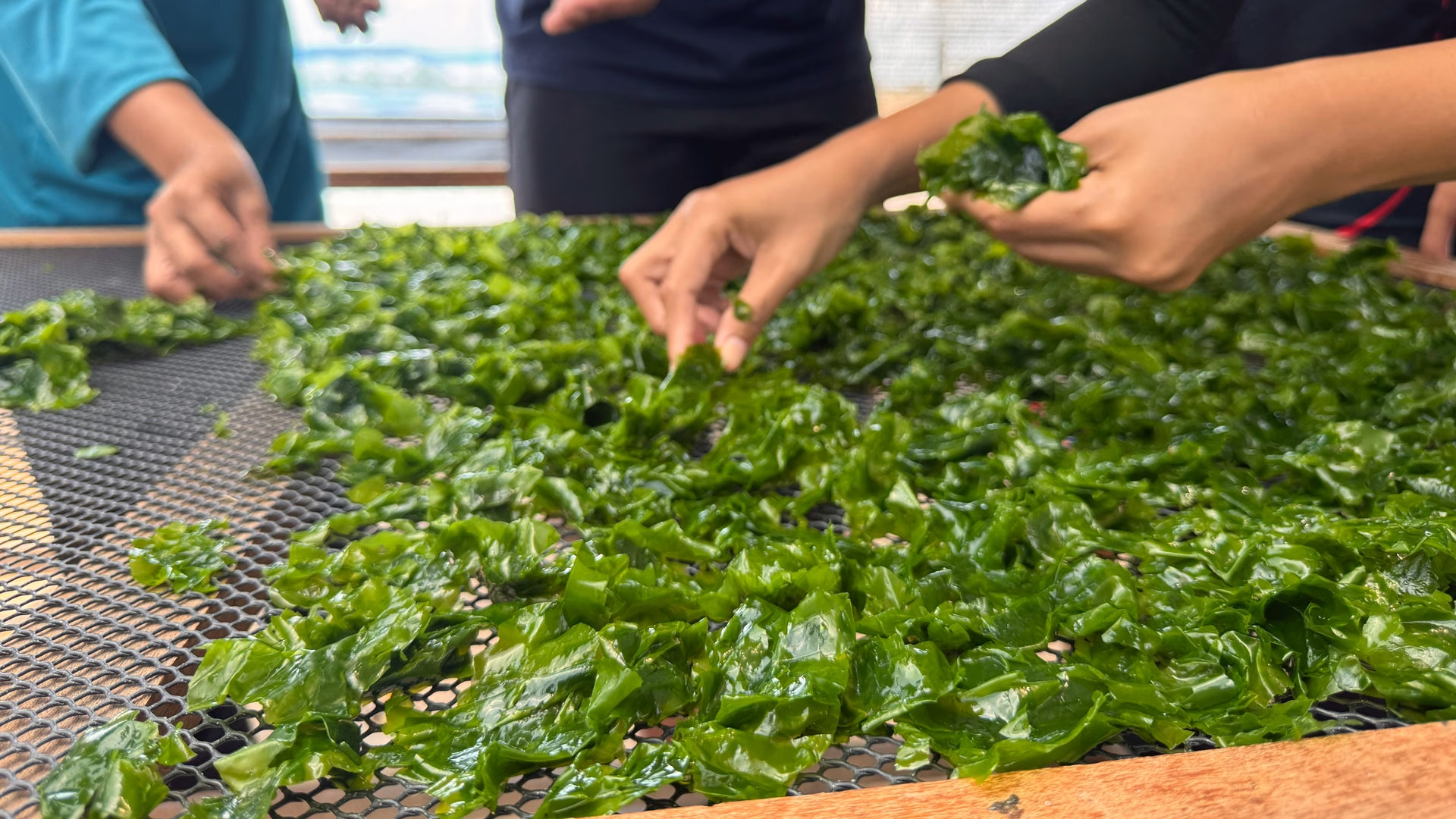
The visit offered participants firsthand insights into practical aquaculture systems and innovation at the Centre, including ornamental fish culture, marine aquatic species, and seaweed farming particularly Caulerpa or sea grapes, one of the region’s emerging high-value seaweed commodities.
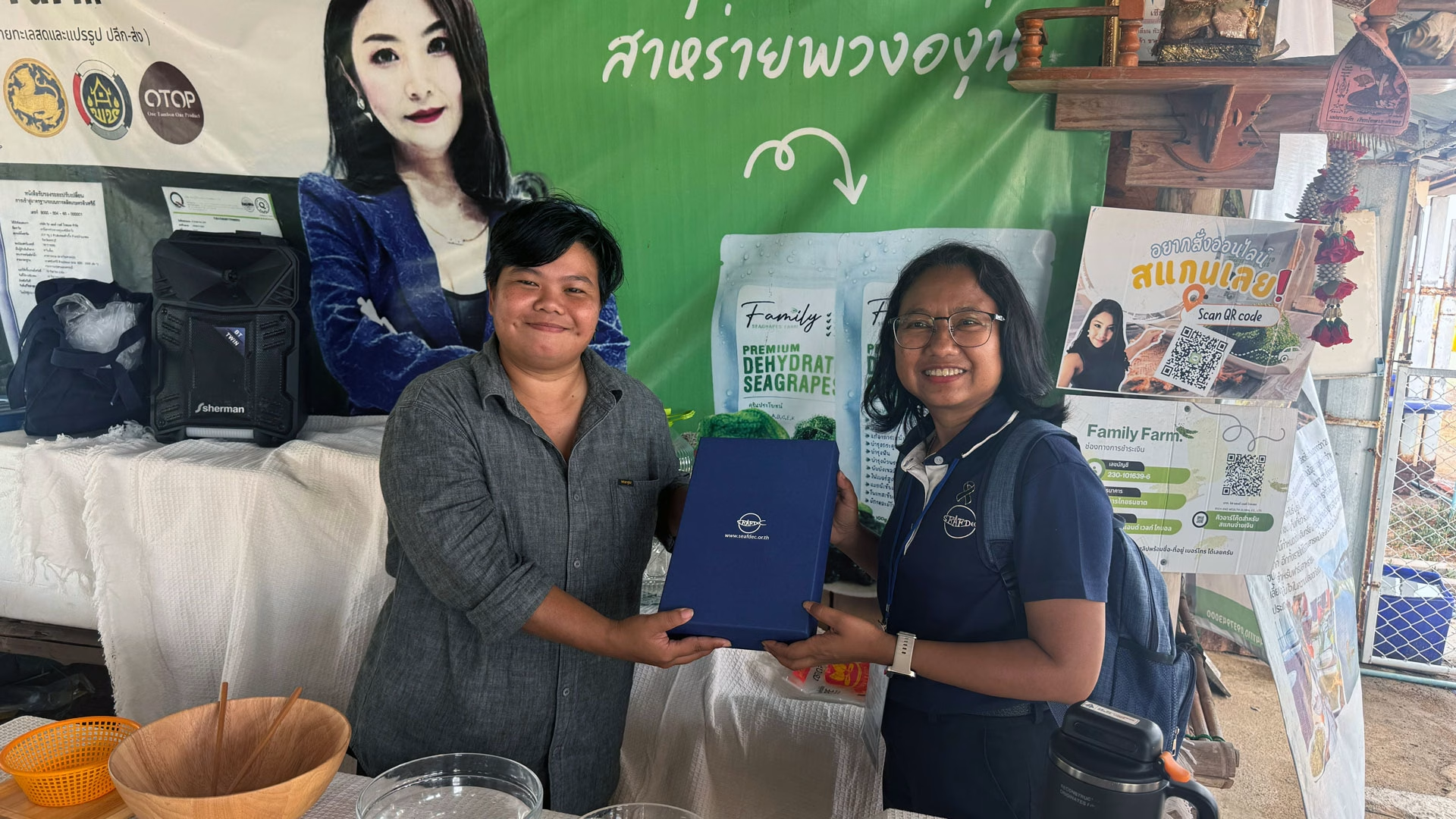
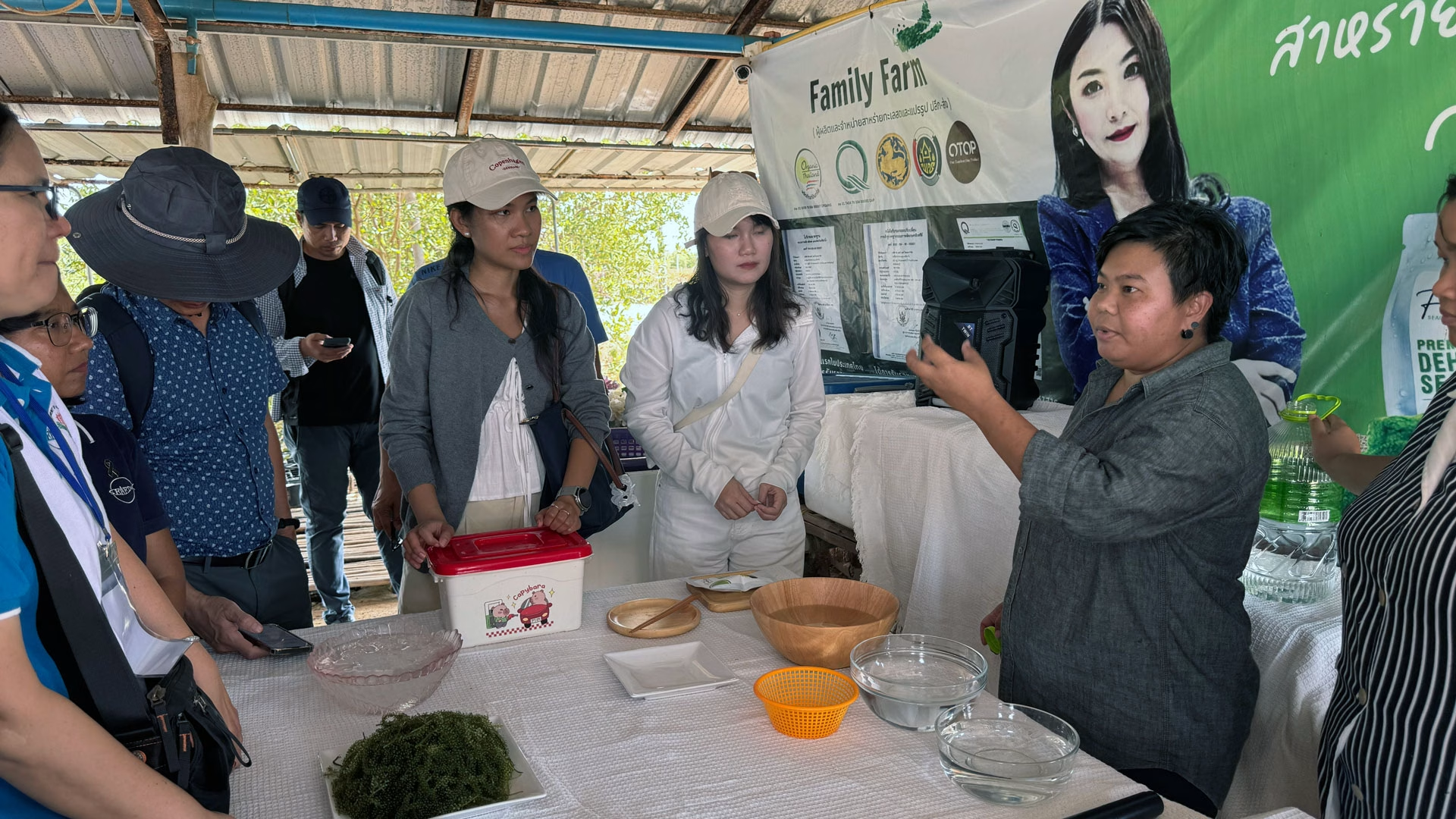
A key highlight was the visit to a family-run sea grape farm in Petchaburi, where participants observed how local producers are successfully supplying export markets in Malaysia, Brunei, and Taiwan. The experience demonstrated how small-scale coastal enterprises can connect to regional markets while supporting livelihoods and sustainable aquaculture practices.
More importantly, the visit grounded regional discussions in field realities. Participants exchanged practical lessons on production systems, quality management, market opportunities, and community-based approaches that will directly inform the development of Southeast Asia’s regional seaweed Guide and Principles.
As Southeast Asia positions itself as a global leader in seaweed production, initiatives like Blue Horizon show that sustainable growth must be built not only on policy ambition but also on the knowledge, innovation, and experiences of coastal communities themselves.
The Blue Horizon Seaweed Aquaculture is funded by Global Environment Facility (GEF) through WWF US as GEF Agency, executed by SEAFDEC PMU, BFAR – Bureau of Fisheries and Aquatic Resources of the Philippines, and DFiS – Department of Fisheries and Surveillance Viet Nam.