SEAFDEC Blue Horizon Brings ASEAN Seaweed Sustainability to UN Forum Spotlight
Posted September 17, 2026
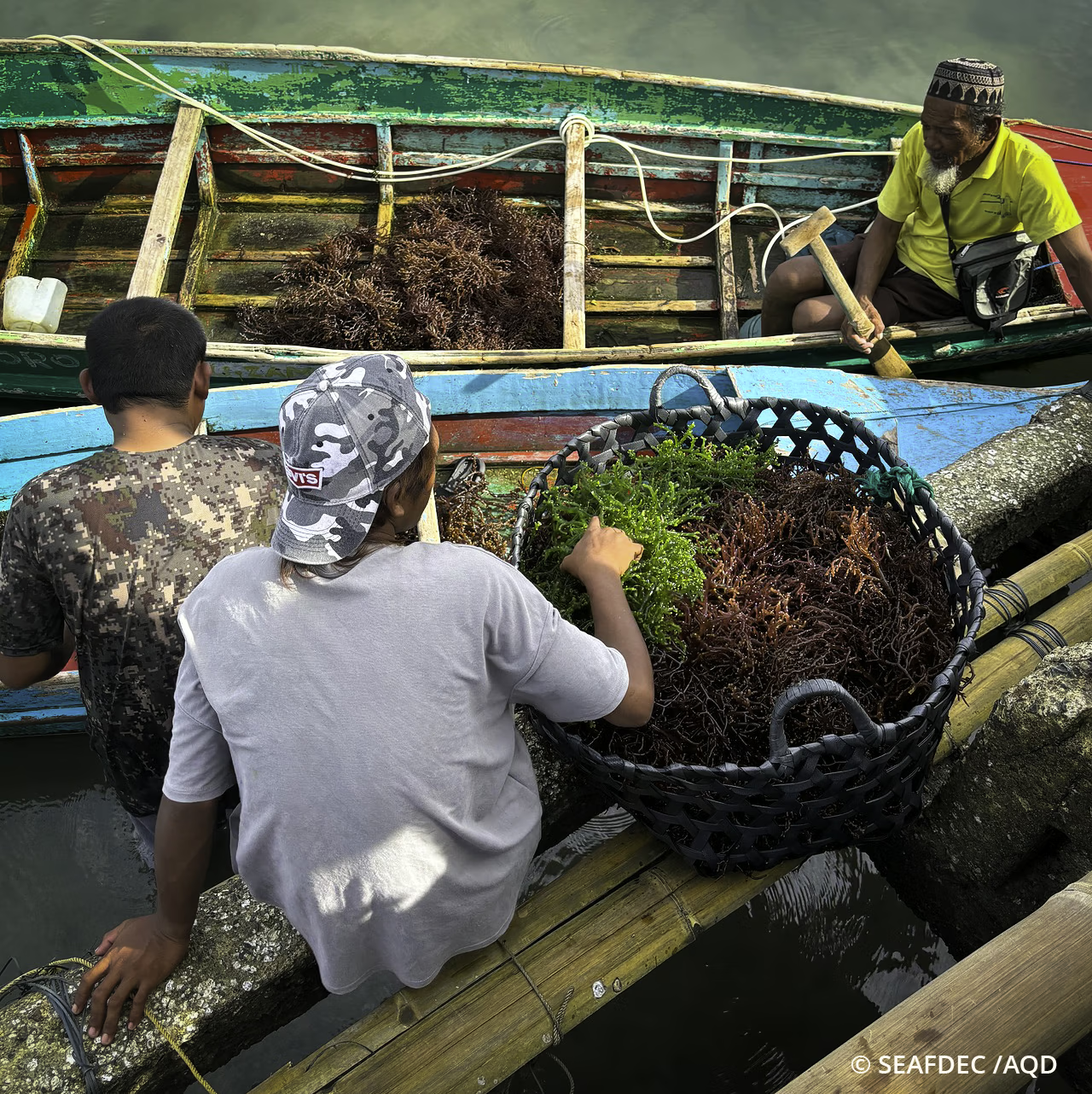
SEAFDEC Blue Horizon Seaweed Aquaculture Project showcased ASEAN’s sustainable seaweed initiatives. Highlighting its upcoming regional guide, SEAFDEC emphasized that resilient aquaculture supply chains must combine environmental sustainability with safer working conditions, gender equity, and economic inclusion for small-scale coastal farmers.
SEAFDEC Blue Horizon Brings ASEAN Seaweed Sustainability to UN Forum Spotlight
Posted September 17, 2026
SEAFDEC Blue Horizon Seaweed Aquaculture Project showcased ASEAN’s sustainable seaweed initiatives. Highlighting its upcoming regional guide, SEAFDEC emphasized that resilient aquaculture supply chains must combine environmental sustainability with safer working conditions, gender equity, and economic inclusion for small-scale coastal farmers.
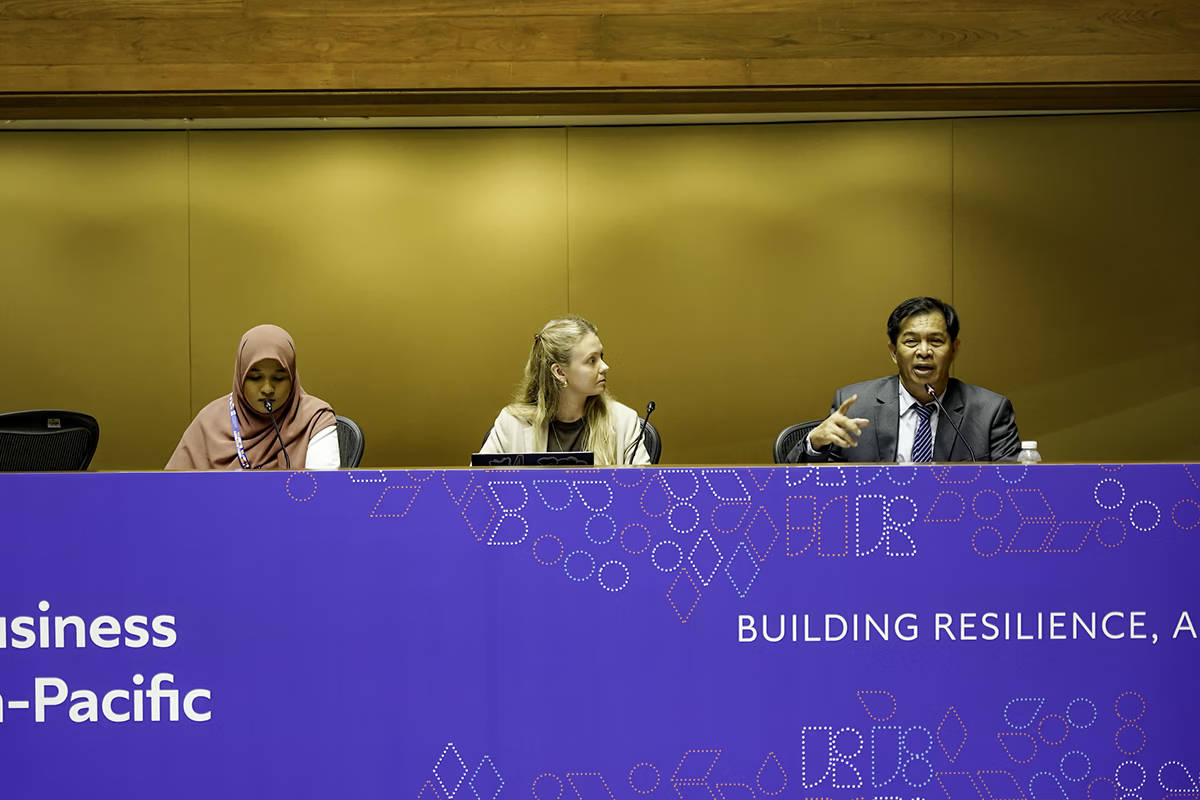
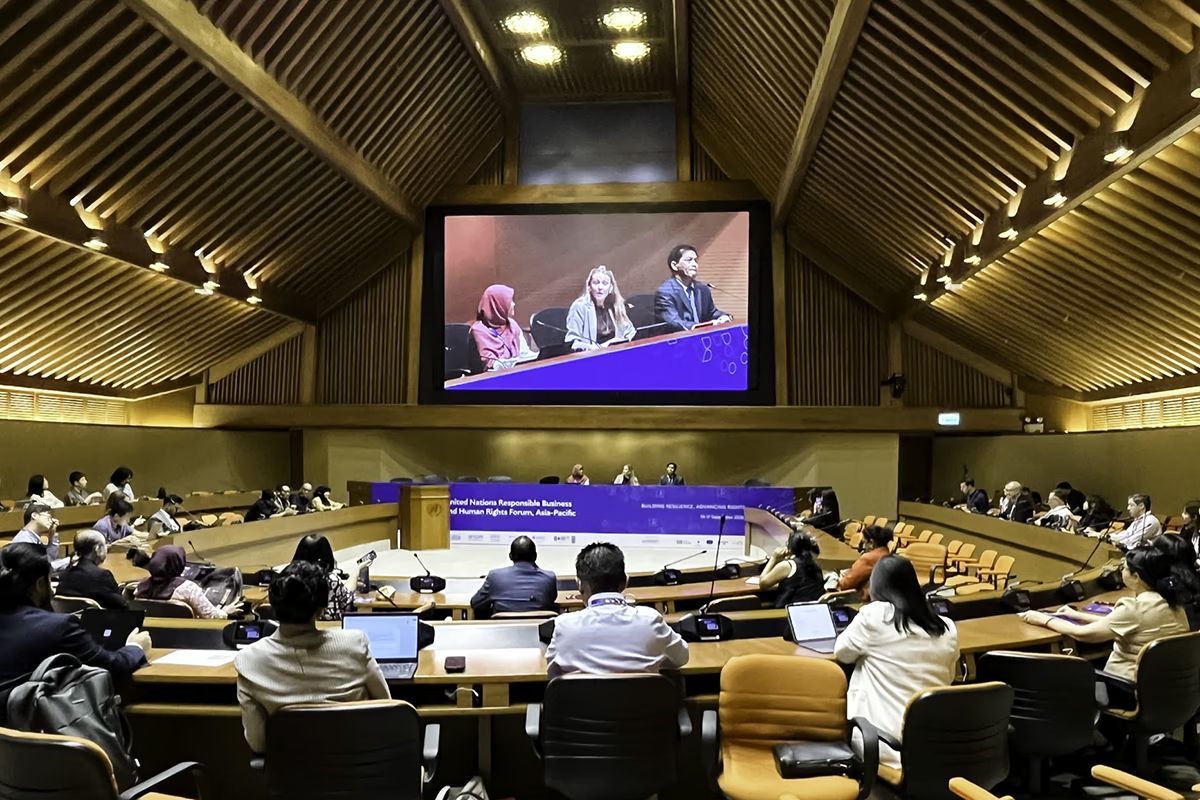
Bangkok, 15 September 2026 — The SEAFDEC Blue Horizon Seaweed Aquaculture Project brought ASEAN’s experience in sustainable seaweed aquaculture to the international stage through a Spotlight Session at the United Nations Responsible Business and Human Rights Forum Asia Pacific at United Nations Conference Center Bangkok.
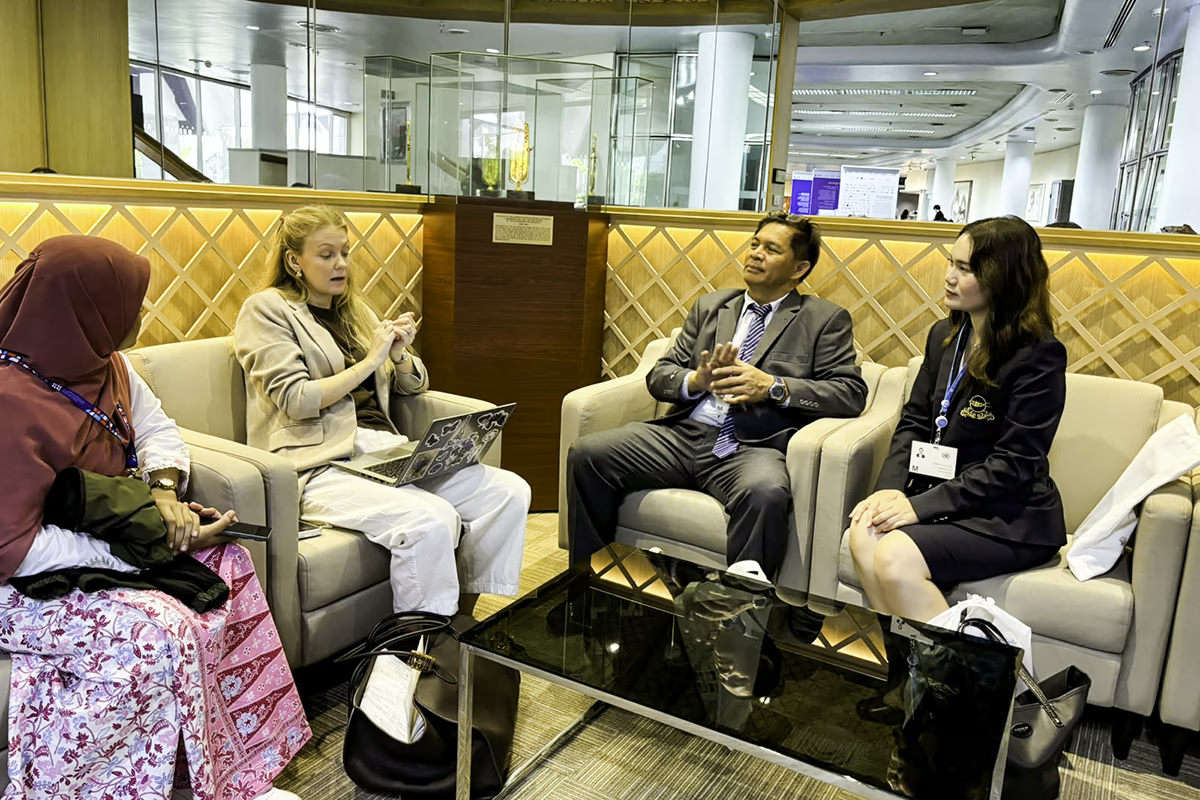
Muhamad Nour, Project Manager/Technical Advisor of the SEAFDEC Blue Horizon Seaweed, joined Ms. Aisah Nur Alifia, Senior Fellow and Indonesia Program Manager of the Global Conservation Program at Monterey Bay Aquarium, in the session “Advancing Responsible and Sustainable Aquaculture for Resilient Supply Chains: Examples from the ASEAN Seaweed and Shrimp Industries.” The session was moderated by Ms. Linnea Strand of the International Labour Organization (ILO).
The session examined how responsible business conduct can promote safer working conditions, gender equity and resilient supply chains in aquaculture. It also explored how alternative verification models can create new market opportunities for sustainable shrimp production.
Nour highlighted SEAFDEC’s work to develop a Regional Guide on Sustainable Seaweed Aquaculture in ASEAN, supported by WWF-US as the GEF Agency under the Blue Horizon Project.
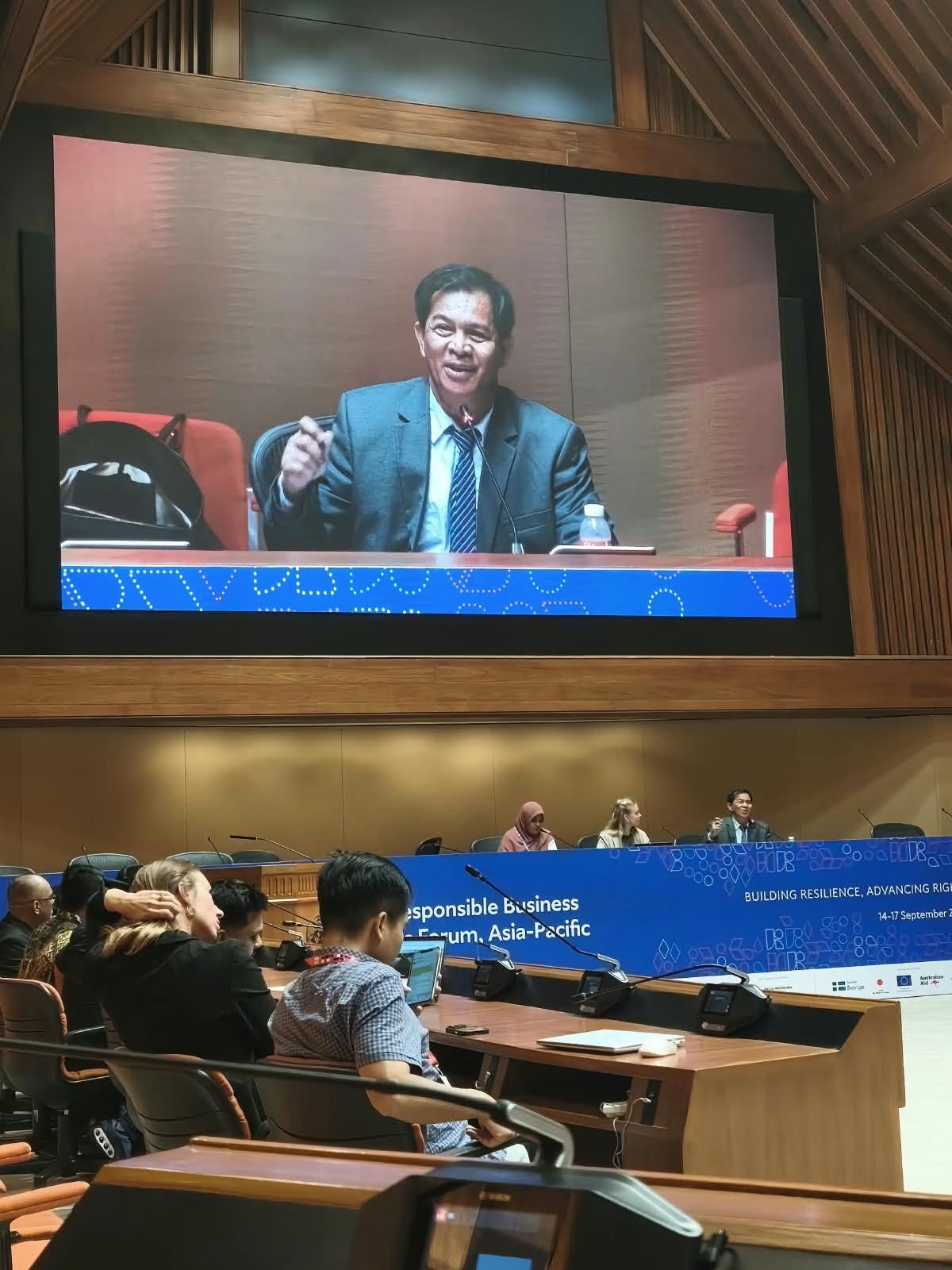
The initiative seeks to strengthen practical approaches to sustainable seaweed production while recognizing that environmental sustainability must go hand in hand with the well-being and rights of coastal communities and workers.
“Responsible aquaculture is not only about producing more. It is about how we produce, who benefits, and whether people and ecosystems are protected.”
The discussion also highlighted the important role of small-scale seaweed farmers and women throughout the value chain, particularly as communities face growing pressures from climate change, occupational risks, market uncertainty and limited access to technology and finance.
“A resilient seaweed supply chain must be environmentally sustainable, socially responsible and economically inclusive.”
From ASEAN experience to regional action
The UN Forum provided an opportunity to connect ASEAN’s practical experience with the broader global agenda on responsible business conduct, human rights and sustainable supply chains.
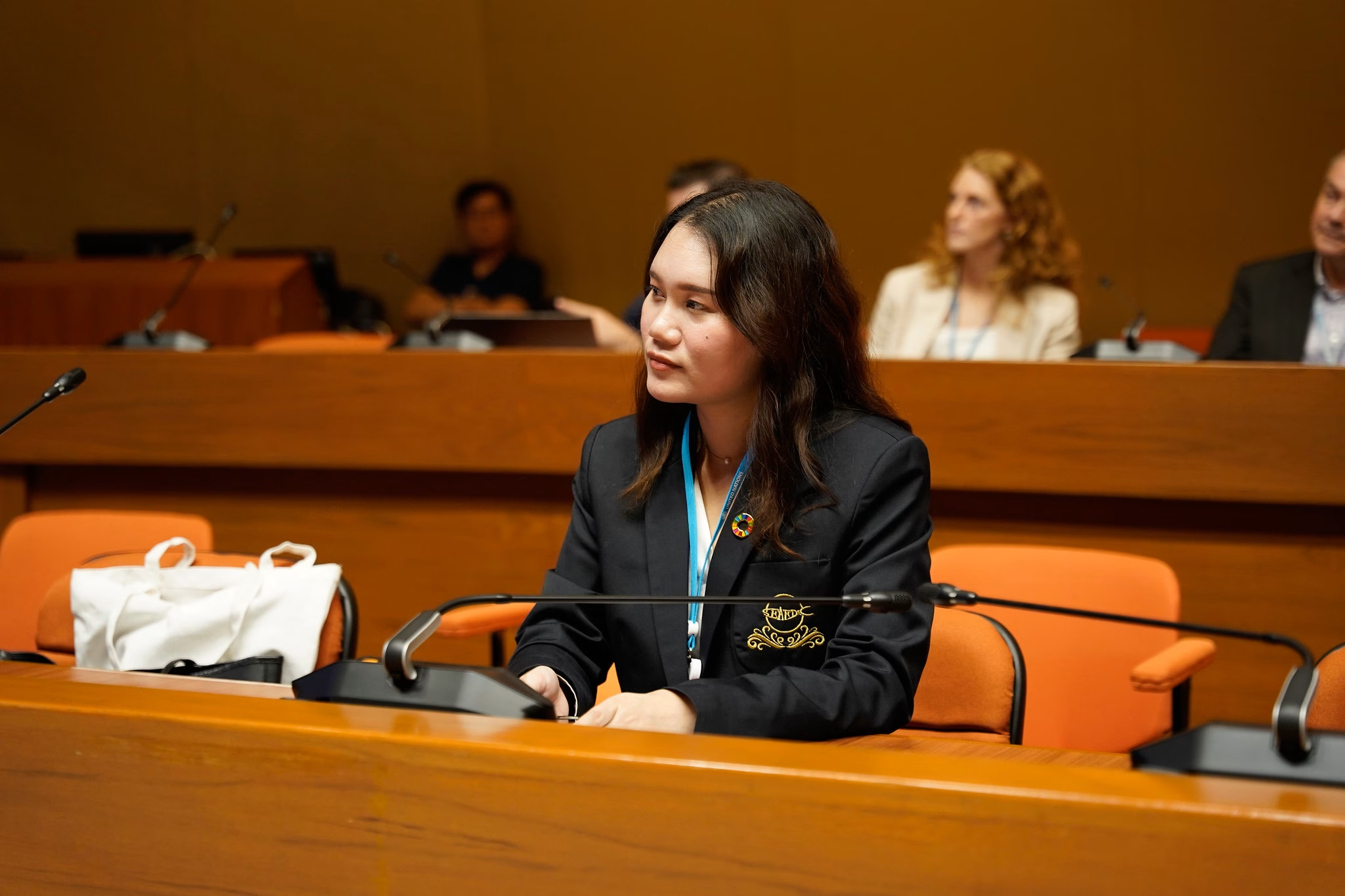
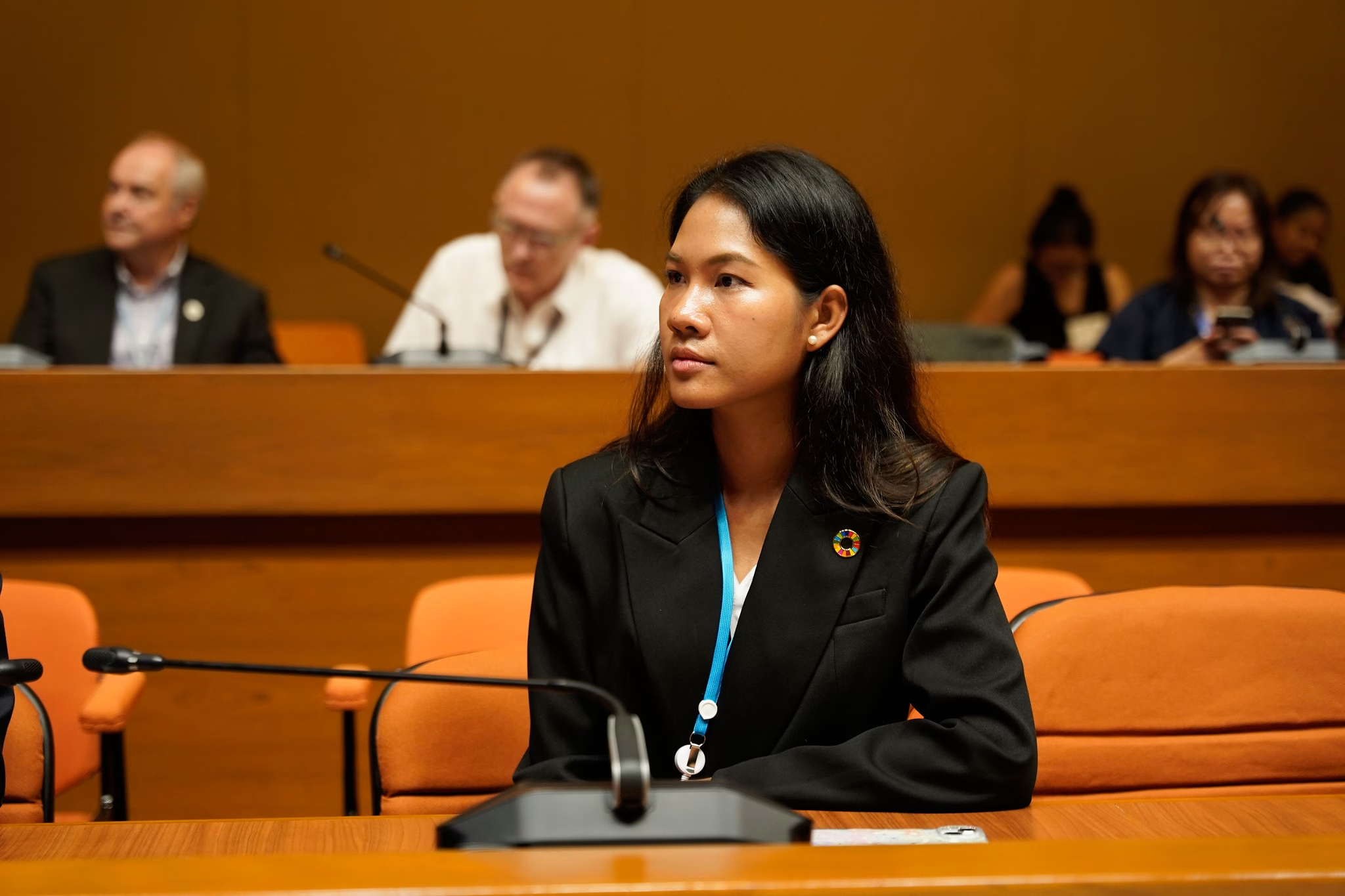
Through the Regional Guide, SEAFDEC aims to support ASEAN Member States and stakeholders in strengthening responsible seaweed aquaculture and promoting collaboration across the region. “The future of seaweed aquaculture depends on collaboration across countries, sectors and communities.”
Through the Regional Guide, SEAFDEC aims to support ASEAN Member States and stakeholders in strengthening responsible seaweed aquaculture and promoting collaboration across the region. “The future of seaweed aquaculture depends on collaboration across countries, sectors and communities.”
The Blue Horizon Seaweed Aquaculture is funded by Global Environment Facility
(GEF) through WWF US as GEF Agency, executed by SEAFDEC PMU, BFAR – Bureau of Fisheries and Aquatic Resources of the Philippines, and DFiS –Department of Fisheries and Surveillance Viet Nam.