
SEAFDEC to Develop Regional Tools to Support Seaweed Aquaculture
Posted August 6, 2026
For many coastal household, seaweed is more than a commodity, it is a source of livelihood and opportunity. Income from seaweed farming helps families pay for their children's education, meet household expenses, and put nutritious food on the table. Across Southeast Asia, the seaweed industry continues to play an important role in supporting coastal economies and the well-being of communities.
SEAFDEC to Develop Regional Tools to Support Seaweed Aquaculture
Posted August 6, 2026
For many coastal household, seaweed is more than a commodity, it is a source of livelihood and opportunity. Income from seaweed farming helps families pay for their children's education, meet household expenses, and put nutritious food on the table. Across Southeast Asia, the seaweed industry continues to play an important role in supporting coastal economies and the well-being of communities.
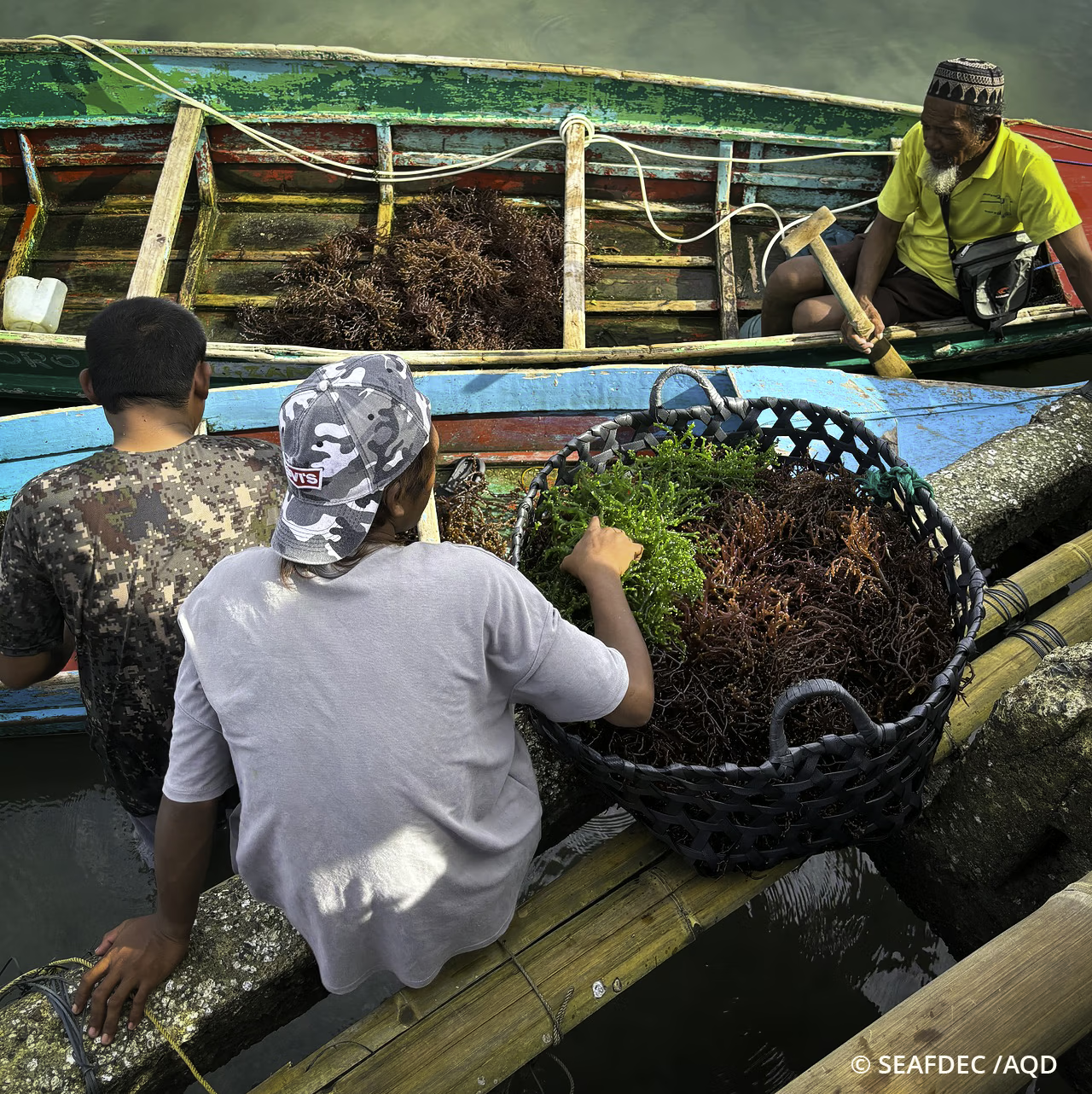
For many coastal household, seaweed is more than a commodity, it is a source of livelihood and opportunity. Income from seaweed farming helps families pay for their children’s education, meet household expenses, and put nutritious food on the table. Across Southeast Asia, the seaweed industry continues to play an important role in supporting coastal economies and the well-being of communities.
Today, Southeast Asia is the world’s leading region for tropical seaweed production, with millions of small-scale farmers depending on the sector. Yet many farmers continuous to rely on traditional cultivation practices and face growing challenges, including climate change, disease outbreaks, occupational safety and health risks, inconsistent product quality, and limited access to markets. Addressing these challenges is essential to ensure that the industry remains productive, resilient, and sustainable.
To support this transition, SEAFDEC, the Global Seaweed Coalition, and the ASEAN Seaweed Technical Working Group (S-TWG) are collaborating to develop the Guide to Promoting a Sustainable Seaweed Industry in Southeast Asia and Regional Principles and Toolkit on Responsible and Safe Seaweed Aquaculture. These regional initiatives aim to strengthen sustainable farming practices, promote occupational safety and health (OSH), advance responsible aquaculture, and improve the competitiveness and livelihoods of seaweeds farming communities across Southeast Asia.