BFAR and SEAFDEC Visit Seaweed Farming Communities in Zamboanga
Posted September 3, 2026
A joint fisheries and aquaculture team recently visited Zamboanga seaweed farming communities to assess local challenges—including disease, seedling shortages, and price volatility. Insights from local cooperatives and women leaders will directly shape the upcoming regional guides for a safer, more sustainable Southeast Asian seaweed industry.
BFAR and SEAFDEC Visit Seaweed Farming Communities in Zamboanga
Posted September 3, 2026
A joint fisheries and aquaculture team recently visited Zamboanga seaweed farming communities to assess local challenges—including disease, seedling shortages, and price volatility. Insights from local cooperatives and women leaders will directly shape the upcoming regional guides for a safer, more sustainable Southeast Asian seaweed industry.
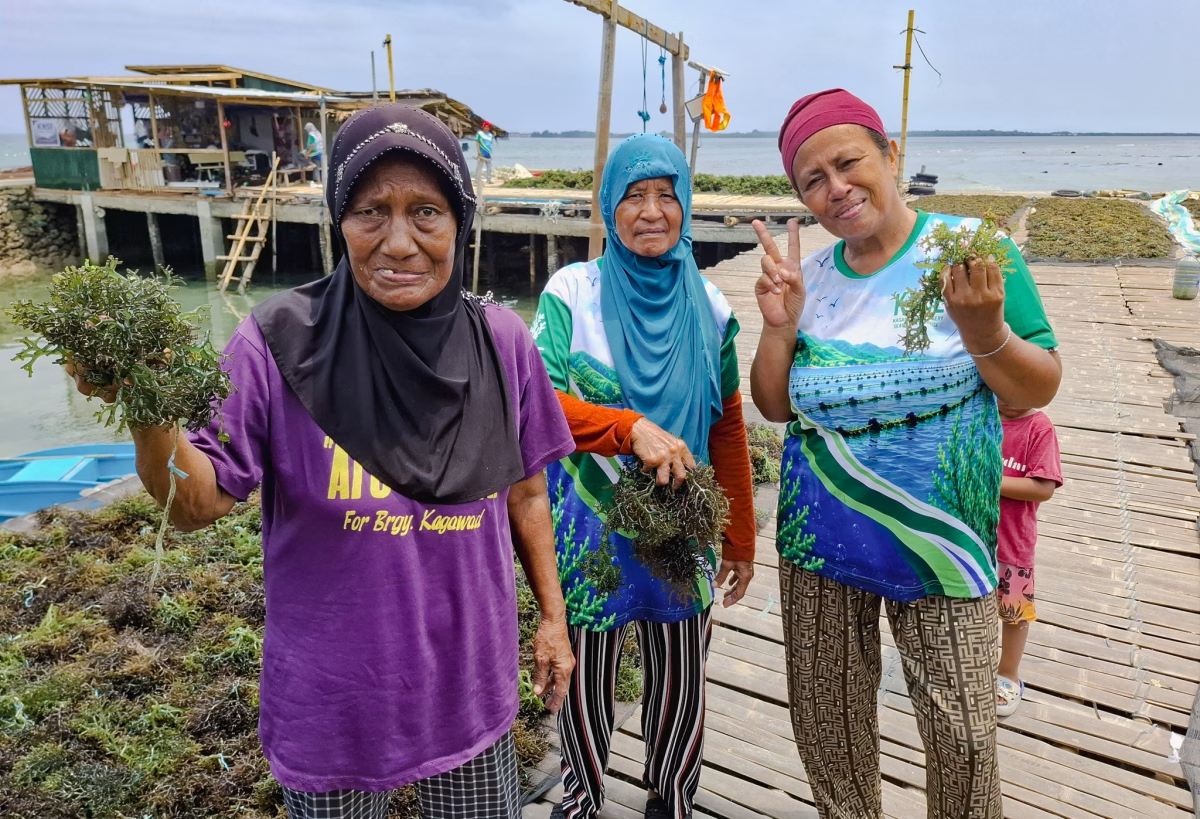
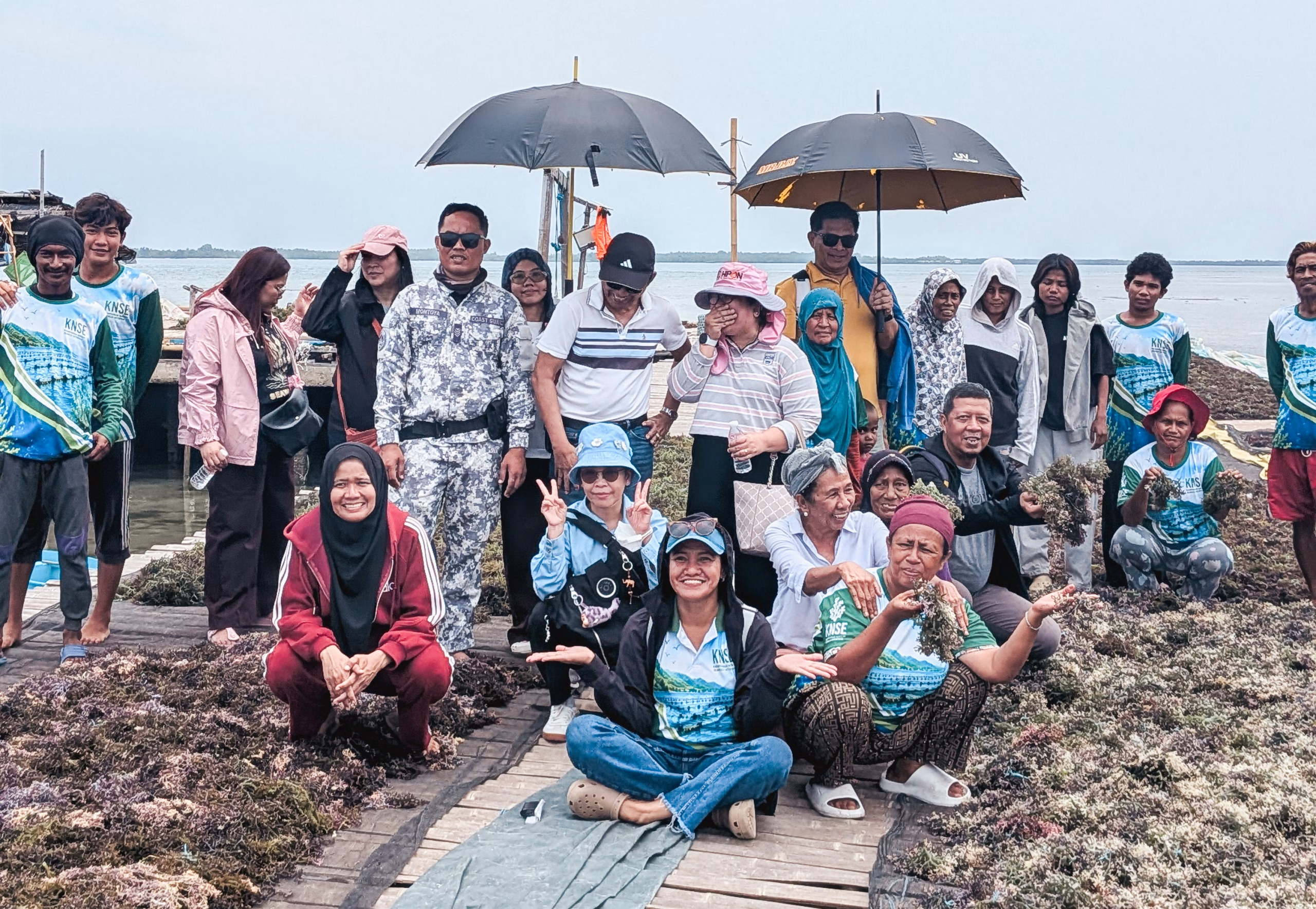
A joint team from the Bureau of Fisheries and Aquatic Resources (BFAR) National Seaweeds Technology Development Center (NSTDC), Enhanced Philippine Seaweed Development Program (EPSDP), SEAFDEC/AQD, and SEAFDEC’s Blue Horizon Seaweed Aquaculture Project visited seaweed farming communities in Zamboanga to better understand farmers’ experiences, challenges, and opportunities.
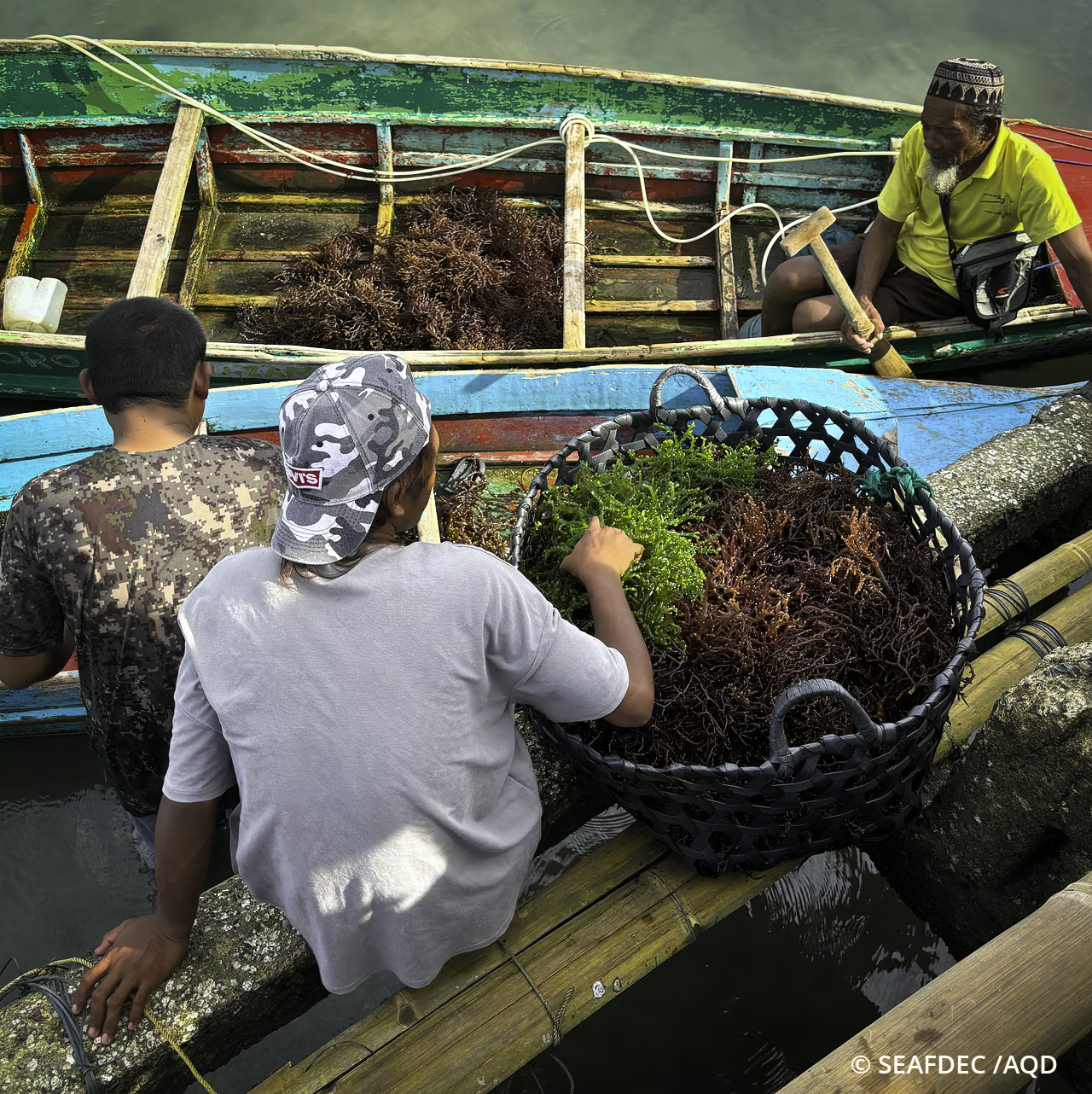
During the mission, the team met with three seaweed farmer cooperatives and associations across two districts. The field visit highlighted how seaweed aquaculture serves as an important source of income for many coastal families. Most farmers produce dried seaweed for nearby processing companies, while a smaller portion is processed into value-added products, particularly food products.
Despite its importance to local livelihoods, farmers continue to face several challenges, including limited access to quality seedlings, fluctuating dried-seaweed prices, seaweed diseases, and natural disasters that affect production and household incomes.
Ms. April Joy Vista, a woman leader and Secretary of the Saru Seaweed Farmer Association in Talaga Licomo District, highlighted the continued support received from BFAR in developing local seaweed farming. Her experience also demonstrated the important role of women in organizing and strengthening seaweed-farming communities. Similarly, Ms. Sherryne Omar Kalugdan, a leader of Kasanyangan Nursery Seaweed Enterprise (KNSE), highlighted that many of her members rely heavily on seaweed farming as their primary source of livelihood, with fishing providing supplementary income. Seaweed farming plays an important role in supporting household economies, enabling families to meet daily needs and finance their children’s education.
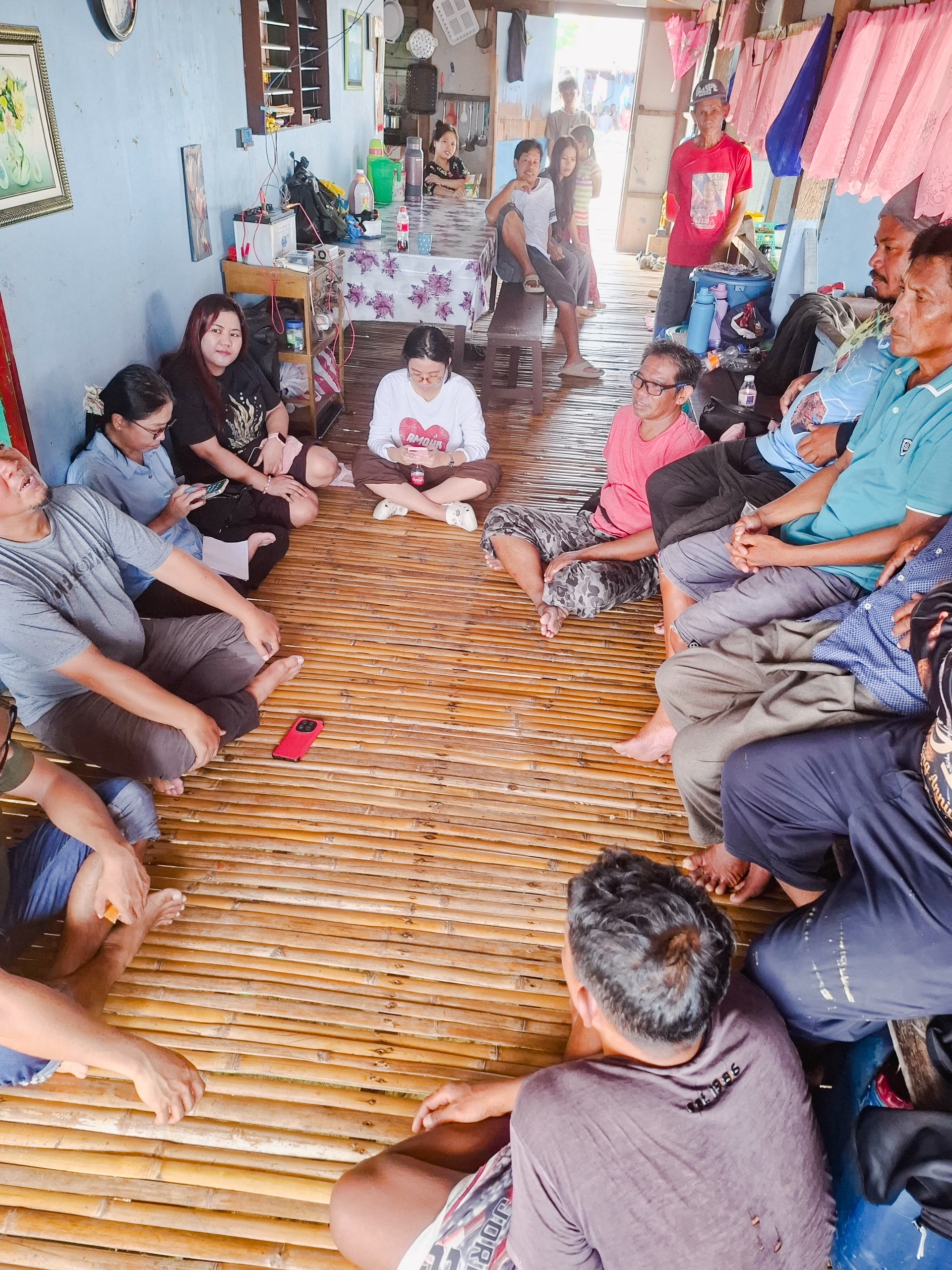
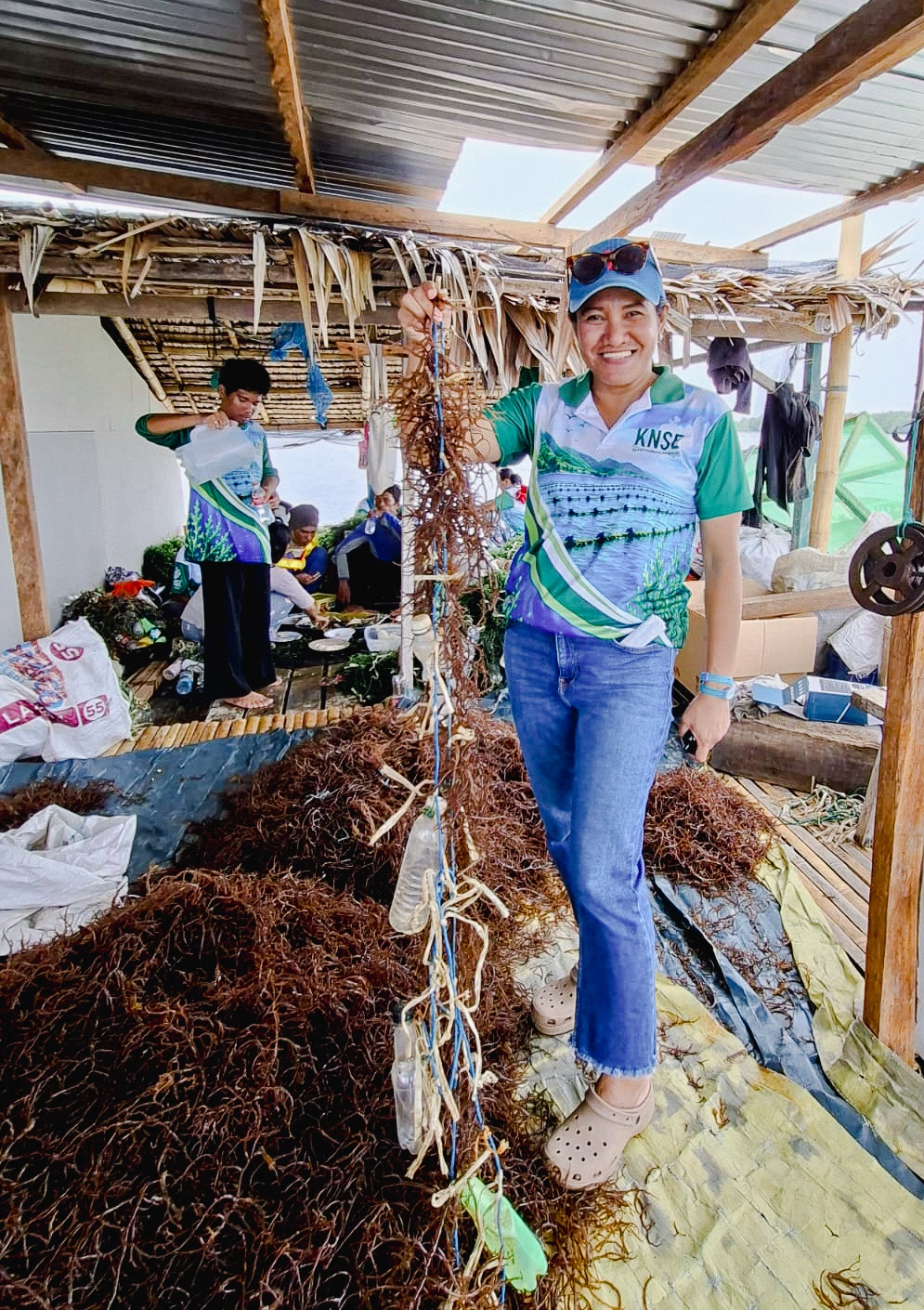
The insights gathered directly from farmers will contribute to SEAFDEC’s ongoing development of the Guide to Promoting a Sustainable Seaweed Industry in Southeast Asia and the Regional Principles and Toolkit on Occupational Safety and Health in Seaweed Aquaculture. By incorporating farmers’ experiences and perspectives, these regional outputs aim to be practical, inclusive, and grounded in the realities of seaweed farming communities.
The Zamboanga field mission reinforced a key message: sustainable seaweed development must begin with listening to the farmers who are at the heart of the industry.
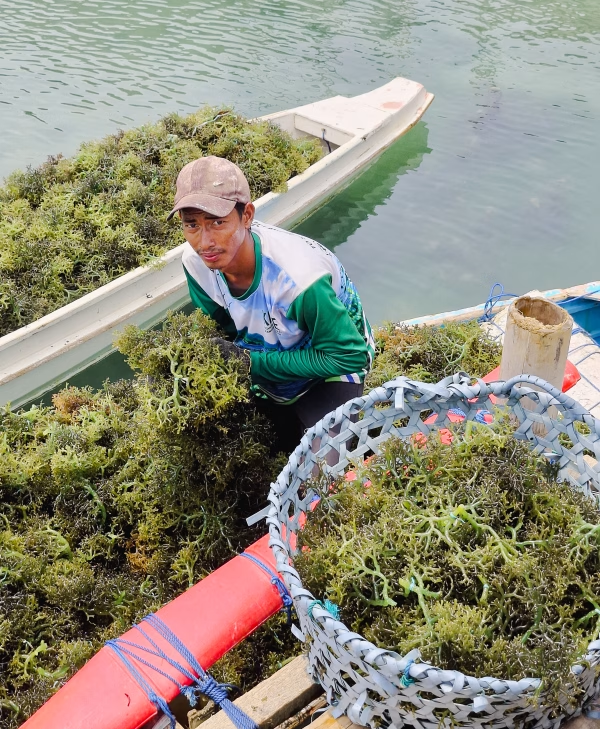
The Blue Horizon Seaweed Aquaculture is funded by Global Environment Facility (GEF) through WWF US as GEF Agency, executed by SEAFDEC PMU, BFAR – Bureau of Fisheries and Aquatic Resources of the Philippines, and DFiS – Department of Fisheries and Surveillance Viet Nam.